
Press Release

PACTPAN Launches “Church of Now” Youth Leadership Team to Strengthen Youth Leadership and Catholic Renewal Across Africa

PACTPAN Launches “Church of Now” Youth Leadership Team to Strengthen Youth Leadership and Catholic Renewal Across Africa Ouagadougou, Burkina Faso — July 1, 2026 — The Pan-African Network of Catholic Theology and Pastoral Network (PACTPAN) has officially inaugurated the leadership team of its youth movement, Church of Now, marking a significant milestone in the network\’s commitment to empowering young Africans as active protagonists in the renewal of the Church and society. The formal establishment of the Church of Now Executive Leadership Team follows a series of consultative sessions held in a spirit of synodality between young leaders and PACTPAN\’s governing body. The appointments, officially confirmed by the Director of Programs, Sr Jane Kimathi, on June 24, 2026, reflect the network\’s conviction that the future vitality of the Church in Africa depends upon meaningful youth participation, leadership formation, and intergenerational collaboration. Church of Now is PACTPAN\’s dedicated youth platform, created primarily—but not exclusively—for young people. Guided by experienced mentors drawn from the laity, clergy, and religious life, the initiative seeks to build a continental community where young African Catholics can encounter one another, share experiences, deepen their faith, and help shape the future of the Church. The movement serves as a platform for dialogue between young Catholics and Church leaders while developing pastoral and leadership formation programs that respond to the realities facing today’s youth—their faith, vocation, education, employment, digital engagement, social responsibility, and participation in the life and mission of the Church. Among its flagship initiatives are the Building Bright Initiative, which focuses on leadership development and community transformation, and the African Digital Faith Influencers Program, which equips young Catholics to proclaim the Gospel creatively and responsibly within today\’s digital culture. New Executive Leadership Team PACTPAN is pleased to announce the appointment of the inaugural Executive Leadership Team of Church of Now: Ampereza Devis is a Catholic youth from the Diocese of Kabale  in Uganda. He is a scholar and teaches  in the Department of Human Resource Management at Makerere University Business school . Ampereza Devis was among the 8 youth that had an online encounter with Pope Francis in November 2022 on the Building Bridges Initiative and He is the president of the youth in the Pan African Catholic Theology and Pastoral Network. He is currently pursuing his Masters in Business Administration. He is one of the active youth leaders in Uganda who graduated as a Digital Faith Influencer from the PACTPAN. He comes with deep deternimation to ensure that the youth work together overcome the challenges they face in the world today collectively and be able to achieve what they would like to do for God and his church in Africa He comes with deep deternimation to ensure that the youth work together overcome the challenges they face in the world today collectively and be able to achieve what they would like to do for God and his church in Africa Claudia APEDO from Togo is a master’s student in economics and an expert in sales and customer consulting. Active in her parish and in several organizations, she serves as Vice President of the Lay Ministry and Assistant for Cultural Affairs and Human Development at the St. John the Apostle University Parish in Lomé. In addition, she is Vice President of Pactpan’s Church of Now unit and was among the first cohort of young people trained by Pactpan as a Digital Faith Influencer. She is passionate about community engagement and uses her expertise to help her fellow young people develop their entrepreneurial skills. Her goal is to share the joy and love of Jesus Christ with those around her. Milliam Witness Kayange is a Malawian educator, youth development practitioner, researcher and advocate for education and social transformation. She holds a Bachelor of Arts Degree in Education (English) and serves as a secondary school teacher. Milliam is the Malawi Coordinator and Communications Director for PACT-PAN Malawi Chapter, Director of Programs for the PACT-PAN Church of Now Unit and a member of the PACT-PAN Executive Board. She also serves as Secretary of the National Movement of Catholic Students (NMCS) Malawi and is a member of the Global Advocacy Team for IMCS Pax Romana. Her professional development includes certifications in Digital Influencing and Global Advocacy. She is currently leading the youth empowerment initiative, Empowering the Youth: Pathways to Sustainable Socio-economic and Spiritual Independence, while conducting research on Assessing Students\’ Expectations of the Church and Chaplains: Challenges and Opportunities. Her work is driven by a passion for empowering young people, strengthening Catholic youth leadership and advancing education and sustainable Socio-economic development across Africa. Camille Agbeva, a young leader from Benin, is active in his parish and shares his experience with the young people in his network. He is also involved in youth training and community development. Passionate about digital innovation and leadership, he is a web developer and AI expert in training. He is leading a project that aims to highlight his country’s pilgrimage sites and places of spiritual renewal. He is an active advocate in youth movements in his country, including the Catholic Student Youth (JEC). He was part of the first cohort of young people trained as Digital Faith Influencers by the Pan-African Catholic Theology and Pastoral Network (PActpan). Currently, he serves as vice president of the Church of Now unit at Pactpan. Bindré Roger DAYAMBA is a Sociologist and young Catholic from Burkina Faso. He is actively involved in his parish and diocese. He serves as secretary of the Pan-African Catholic Theology and Pastoral Network (Pactpan). Executive Committee, coordinator of digital ministry for the Archdiocese of Ouagadougou, and coordinator of Pactpan’s youth ministry in Burkina Faso. As an influencer and digital missionary of the faith—and a member of the first cohort of Pactpan students—he promotes the initiative known as Solidarity For All (S4A), whose spiritual focus is on vulnerable people, particularly the elderly, displaced families, and host communities affected by the terrorism crisis in Burkina Faso. His mission is to build bridges among young people across Africa and promote active solidarity without borders. He serves as Secretary and
PACTPAN Launches “Church of Now” Youth Leadership Team to Strengthen Youth Leadership and Catholic Renewal Across Africa Read More »

PACTPAN’S STATEMENT OF SOLIDARITY WITH SECAM ON THE TRAGIC KILLING OF BISHOP OSÓRIO CITORA AFONSO

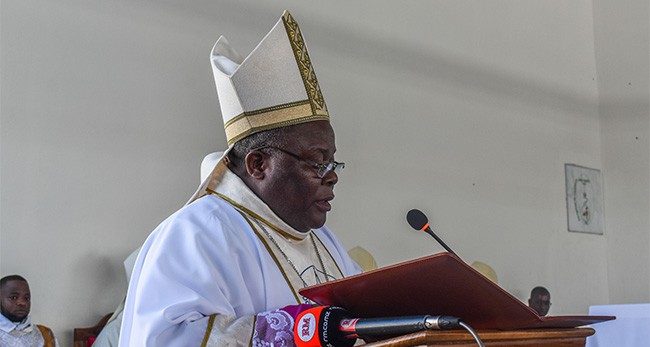
“I came that they may have life, and have it abundantly” (John 10:10) The Pan-African Catholic Theological and Pastoral Network (PACTPAN) joins the Symposium of Episcopal Conferences of Africa and Madagascar (SECAM), the Catholic Bishops’ Conference of Mozambique, the clergy, religious, and lay faithful of Mozambique, and all people of goodwill in mourning the tragic killing of Most Rev. Osório Citora Afonso, Bishop of Quelimane and Apostolic Administrator of the Archdiocese of Beira. We received with profound sorrow, shock, and indignation the news of the violent death of Bishop Afonso in his episcopal residence. We stand in prayerful solidarity with his family, his diocese, the people of Mozambique, and the entire Church in Africa. As SECAM rightly observed, this “heinous act, perpetrated against a shepherd of God’s people, constitutes not only an attack on the life and dignity of a devoted servant of the Gospel but also an assault on the values of peace, justice, human dignity, and religious freedom that are essential for the flourishing of every society.” PACTPAN wholeheartedly joins SECAM in its unequivocal condemnation of this barbaric crime and in its call upon the Government of Mozambique and all competent authorities to undertake an immediate, transparent, thorough, and independent investigation so that those responsible, whether perpetrators, accomplices, or masterminds, may be identified and brought to justice. As SECAM has rightly insisted, “the people of Mozambique, the Catholic Church, and the international community deserve the truth.” We are equally grateful for the prayerful solidarity of Pope Leo XIV, who described Bishop Afonso’s death as a painful loss for the Church and called upon all believers to reject violence and become builders of peace, reconciliation, and hope. In a continent wounded by conflict, insecurity, criminal violence, corruption, and political instability, the Holy Father’s appeal deserves renewed attention. The death of Bishop Afonso joins a disturbing pattern that has emerged in recent years across Africa. Too many bishops, priests, religious women and men, catechists, pastoral agents, and ordinary faithful have become victims of violence. In many cases, investigations remain incomplete, justice remains elusive, and families and communities are left without answers. The killing of shepherds of God’s people is never merely an attack on an individual. It is an attack on the moral conscience of society and on the sacredness of human life itself. We know that this tragedy extends far beyond attacks on Church leaders. Across our continent, countless ordinary men, women, and children are victims every day of murder, terrorism, banditry, organized crime, political violence, kidnappings, domestic violence, disappearances, and armed conflict. Mozambique continues to suffer the consequences of insurgent violence in Cabo Delgado. Nigeria faces persistent insecurity and attacks on communities. South Africa struggles with extraordinarily high levels of violent crime. Across several African nations, thousands of families live with the pain of loved ones who have been killed, abducted, or disappeared. This reality compels us to ask a painful but necessary question: What has happened to our commitment to the sanctity of life? We Africans often pride ourselves on cherishing life, family, community, and solidarity. Yet the increasing normalization of violence suggests that something precious is being lost. Human life is too often treated as disposable. Violence has become routine. Death has become commonplace. Too many people no longer feel shock when another life is taken. The killing of Bishop Afonso is a moment of moral reckoning not only for Mozambique, a country that has seen so much violence, but for our continent. PACTPAN believes that Africa\’s future depends upon a renewed commitment to two foundational sources of our moral vision: the Gospel of Jesus Christ and the African philosophy of Ubuntu. Ubuntu reminds us that “I am because we are.” Human beings do not exist in isolation. Our humanity is bound together. When one life is diminished, the entire community is diminished. When one person is murdered, something sacred is wounded in all of us. The Gospel invites us even to something higher. Jesus Christ came so that all may have life and have it abundantly. This is the motto that we have chosen as a network. The Christian vocation is therefore not merely to condemn violence after it occurs but to build cultures, institutions, and communities that protect life before it is threatened and to see justice for those who have been killed because the victims of violence die again and again if there is no justice and accounting for their deaths. For this reason, PACTPAN calls upon governments, religious leaders, educators, civil society organizations, traditional authorities, and families throughout Africa to renew their commitment to: As we mourn Bishop Osório Citora Afonso, we also recommit ourselves to the work for which he lived: building communities of faith, hope, justice, and peace. May his blood, and the blood of all innocent victims of violence in Africa, become a seed of renewal for our continent. May the Lord of Life welcome Bishop Afonso into the communion of the saints. May Jesus, the Bread and Blood of Life, whose feast Bishop Afonso was hoping to celebrate on the eve of his death, welcome him into the banquet of heaven. May God comfort all who mourn. May justice be done. May peace prevail in Mozambique and throughout Africa. Sr Jane Waruguru Kimathi Fr. Stan Chu IloCoordinating Servant, PACTPAN Pan-African Catholic Theological and Pastoral Network (PACTPAN) June 7, 2026, the Feast of the Body and Blood of Christ

PACTPAN’S STATEMENT OF SOLIDARITY WITH SECAM ON THE TRAGIC KILLING OF BISHOP OSÓRIO CITORA AFONSO Read More »

This Must Not Become Another Forgotten African Tragedy: PACTPAN Calls for Urgent International Solidarity in Response to Ebola Outbreak.

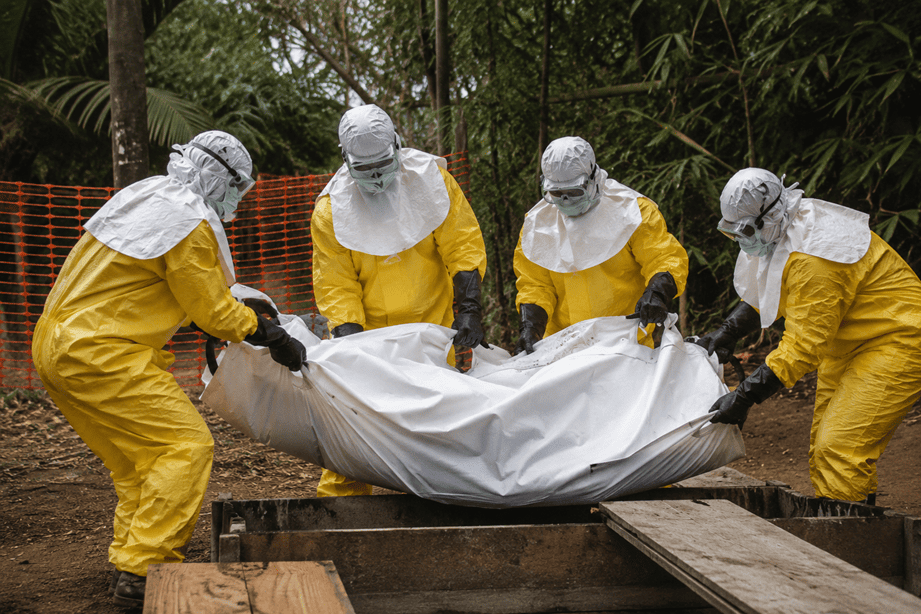
“Carry each other’s burdens, and in this way you will fulfill the law of Christ.” — Galatians 6:2 “The suffering of one people can never be treated as the problem of others alone. Our humanity is tested precisely in whether we are capable of solidarity across borders, races, and histories.” — Pope Leo XIV The Pan-African Catholic Theology and Pastoral Network expresses profound sorrow and deep concern over the rapidly escalating Ebola outbreak currently affecting the Democratic Republic of Congo and neighboring countries in East and Central Africa. We stand in prayerful solidarity with the people of the DRC, Uganda, and all vulnerable communities now facing yet another devastating public health emergency marked by fear, suffering, uncertainty, and loss of life. Reports from health authorities and international agencies indicate that the present outbreak involves the Bundibugyo species of Ebola virus, a highly dangerous strain for which there is presently no licensed vaccine or approved therapeutic treatment. More than 150 deaths have already been reported, with many more infections suspected as the outbreak continues to spread in densely populated and highly mobile regions affected by insecurity, displacement, weak health infrastructure, and humanitarian instability. The World Health Organization has declared the outbreak a Public Health Emergency of International Concern requiring urgent international coordination, scientific collaboration, and sustained global attention. This outbreak is unfolding within an already fragile context marked by armed conflict, mass displacement, poverty, inadequate sanitation systems, fragile healthcare institutions, refugee movements, and intense cross-border commercial activity. These conditions create enormous obstacles to disease surveillance, contact tracing, infection prevention and control, PPE use, safe patient referral systems, and community education. The risk of wider regional transmission remains significant if urgent and coordinated action is not sustained. Beyond statistics and epidemiological reports lies the immense human suffering of ordinary African families and communities. Poor and rural populations continue to bear the heaviest burden of infectious disease outbreaks because of longstanding structural inequities that have weakened public health systems across many parts of Africa. Women, who often serve as caregivers within homes, clinics, and communities, remain particularly vulnerable. Children, displaced persons, refugees, and populations living in remote regions face heightened risks because of limited access to healthcare services, clean water, sanitation, and timely medical intervention. PACTPAN is especially mindful of the extraordinary sacrifices being made by frontline healthcare workers and pastoral caregivers. Doctors, nurses, laboratory personnel, community health workers, chaplains, women religious, catechists, and volunteers continue to place themselves at risk in service to the sick and vulnerable. In many Ebola outbreaks, healthcare workers are disproportionately affected because of occupational exposure within hospitals and treatment facilities, shortages of personal protective equipment, weak infection prevention systems, and healthcare-associated transmission, commonly described as nosocomial infections. We commend the many faith-based organizations, churches, mosques, community leaders, and local pastoral agents already engaged in education, accompaniment of grieving families, care for survivors, community sensitization, support for safe burial, trauma healing, and collaboration with health authorities. Experience from previous Ebola outbreaks and the COVID pandemic demonstrates clearly that community engagement and trust are indispensable to effective disease containment. Public health interventions succeed only when local communities are respected, informed, and empowered as active participants in the response. PACTPAN welcomes the invitation from the World Health Organization to participate in consultations on the role of faith communities and pastoral networks in supporting prevention efforts, risk communication, treatment support, and public health education. We reaffirm our commitment to working collaboratively with local churches, faith-based organizations, public health authorities, humanitarian agencies, and international partners to address this crisis with compassion, scientific responsibility, and solidarity. At the same time, we must speak with honesty and moral clarity about the painful historical patterns that continue to accompany major disease outbreaks in Africa. Too often, the international response to epidemics affecting Africa has been shaped by fear, isolationism, and global inequity rather than by justice and genuine solidarity. We repeatedly witness situations in which foreign nationals are rapidly evacuated from affected regions while African healthcare workers and vulnerable populations remain exposed with inadequate resources and insufficient protection. We witness panic-driven travel restrictions, border closures, and flight bans that frequently lack scientific grounding and often deepen the suffering of already vulnerable communities. The lessons from the 2014 Ebola outbreak and the COVID pandemic must not be forgotten. The answer to infectious disease outbreaks is not abandonment, stigmatization, or isolation of affected populations. The most effective response is rapid containment and treatment at the source of infection through strong local health systems, equitable access to medical resources, investment in surveillance and laboratory capacity, protection of frontline workers, community education, and international scientific cooperation. Africa must not continue to remain a clinical desert where preventable deaths occur because of global neglect and structural inequality. We therefore call upon the international community, African governments, multilateral institutions, philanthropic organizations, research institutions, and faith communities to act urgently and decisively. PACTPAN specifically calls for: This must not become another forgotten African tragedy. The lives of African peoples possess equal dignity and equal worth. The global community cannot afford once again to respond only when outbreaks threaten wealthier nations or international markets. Genuine global solidarity demands more than temporary humanitarian concern after a crisis escalates. It requires long-term commitment to justice, equity, healthcare access, scientific partnership, and human dignity. As people of faith, we pray for all those who have lost loved ones, for those currently infected and receiving treatment, for healthcare workers and caregivers risking their lives daily, and for all leaders and scientists working tirelessly to contain this outbreak. May the Lord strengthen the weak, comfort grieving families, protect vulnerable communities, and grant wisdom and courage to all those responding to this deadly hemorrhagic fever. Africa must not be abandoned in its hour of suffering. This is a moment for global responsibility, moral courage, scientific cooperation, and renewed commitment to our common humanity. Sr Jane Waruguru Kimathi, Director of Programs Fr Stan Chu Ilo, STL, GMPH, PhD, Coordinating Servant Sr Jackie Nsom, MD, Public Health Consultant Sr Teresah

This Must Not Become Another Forgotten African Tragedy: PACTPAN Calls for Urgent International Solidarity in Response to Ebola Outbreak. Read More »