Nigeria’s Christian Crisis: Silence in Abuja, Strategy in Washington
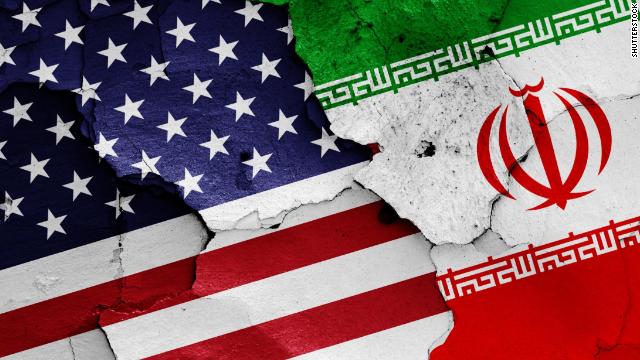
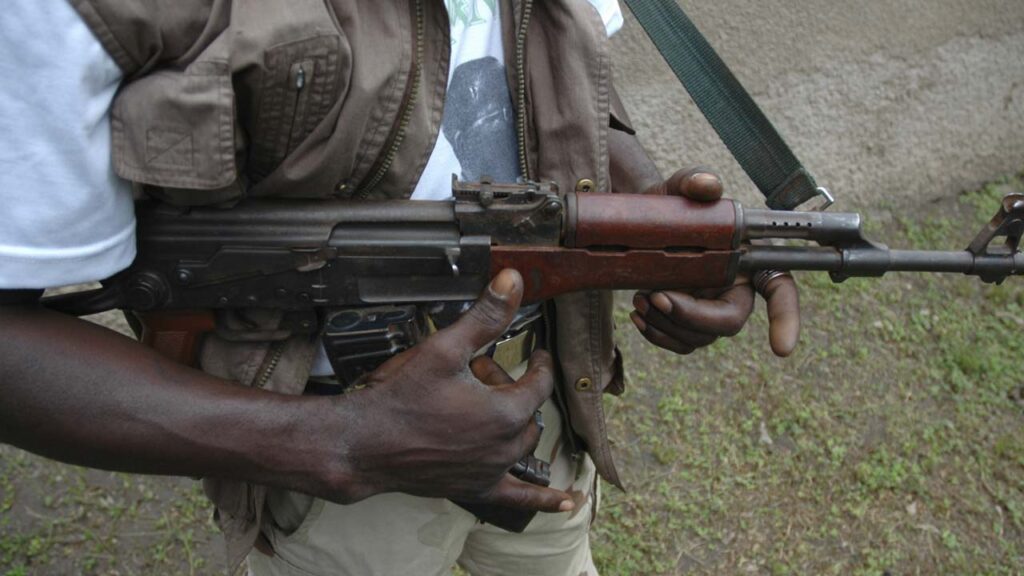
It was an ordinary Sunday for many on February 22. However, for the residents of Edikwu G’Icho, Ole-G’ijamu, and Ukpogo in the Apa Local Government Area of Benue State, it was anything but. The residents started their day as usual, unaware that it would be their final day on earth. Unannounced, herders invaded and ransacked their villages, resulting in the death of a pastor returning from church and another individual, and the alleged sexual assault of two additional women. They were victims of the senseless routine killings that have become the sad reality of Nigeria’s national life in the last decade or so. Many Christian communities across Nigeria now live in constant fear of kidnappers and armed groups. From the North West through the North East, into the Middle Belt and parts of the South, armed militias, insurgents, and criminal bandits have terrorized villages with alarming frequency — a situation that prompted the United States government to designate Nigeria as a Country of Particular Concern (CPC). The problem, however, is that since Nigeria was designated a Country of Particular Concern, the situation for Nigerian Christians has not improved. Despite diplomatic visits from Washington and even a Christmas Day strike by the U.S. military, despite the arrival of some U.S. military personnel, the killings continue. Villages are still attacked. Clergy are still abducted. Families are still displaced. “Since Nigeria was designated a Country of Particular Concern, the situation for Nigerian Christians has not improved.” — Nnaemeka Ali, O.M.I. This has raised a troubling question for many Nigerians: whose interests are truly served by the dialogue between Washington and Abuja? When U.S. President Donald Trump announced sanctions against the government of Bola Ahmed Tinubu on Truth Social in October 2025, Nigerians were divided. Some celebrated the move as a long-overdue protection for persecuted Christians. Others questioned whether Washington was genuinely concerned about the suffering of Nigerians or merely advancing a strategic agenda. Many suspected that behind the strong language lay carefully concealed diplomatic calculations for regional political control. “Christianity is facing an existential threat in Nigeria,” Mr. Trump declared. “Thousands of Christians are being killed. Radical Islamists are responsible for this mass slaughter. I am hereby making Nigeria a ‘Country of Particular Concern.’” Yet when the U.S. Africa Command (AFRICOM) launched a strike against ISIS-linked targets in Sokoto — a move described as a Christmas gift to Nigerians — questions emerged. Why Sokoto? Why then? And why did the attacks on vulnerable Christian villages continue almost uninterrupted? In the months that followed, American delegations visited Nigeria. Nigerian religious leaders travelled to Washington to testify about the horrors their communities endured. On February 16, 100 U.S. soldiers arrived in Nigeria, with 200 more expected later. Although it may be too early to assess the outcome of this deployment, past cooperation between Nigeria and the United States against Boko Haram produced no visible results; in fact, Boko Haram grew stronger over the years. Moreover, the terms of this recent partnership remain nebulous. There has been no transparency about the negotiations, no meaningful dialogue with Nigeria’s governing institutions to reassure citizens that this arrangement truly serves their interests. Despite the increased military presence and diplomatic exchanges, the death toll has not declined significantly. The bandits persist in their raids, kidnappings continue, and communities remain exposed. Meanwhile, policymakers in the United States formed a commission. They took their time to study the situation thoroughly. They listened to victims and spent hours online, presenting themselves as defenders of the persecuted in Nigeria. And because they know we are a deeply religious people, they presented themselves as acting in defense of Christian communities. Then, on February 23, 2026, after reviewing submissions and testimony, the U.S. House Appropriations Committee and the House Foreign Affairs Committee issued a joint report on the persecution of Christians in Nigeria. The report opened with a forceful declaration, stating that “Nigeria is the deadliest place in the world to be a Christian.” It detailed violent attacks by armed militias and terrorist groups, the killing of pastors and priests, the destruction of churches and schools, and widespread kidnappings. At first glance, the report appears to stand firmly with Nigerian Christians. It proposes a bilateral agreement to protect vulnerable Christian communities and urges the Nigerian government to deploy sufficient security forces to the Middle Belt and other affected regions. It demands that militias be removed from confiscated farmland and that displaced communities be allowed to return home voluntarily. The report also addressed religious freedom, calling for sanctions against groups and individuals who participate in or tolerate violence against Christians, and even raising the question of Sharia law in some states. However, a closer reading reveals something more. Very quickly, the crisis of Nigerian Christians is reframed as a matter of U.S. homeland security. The report calls for comprehensive counterterrorism cooperation to eliminate Foreign Terrorist Organizations that pose a direct threat to the American homeland. It goes further, urging Nigeria to reduce its military dependence on Russia and deepen defence procurement ties with the United States. It also calls for countering Chinese and Russian influence in Nigeria. “Very quickly, the crisis of Nigerian Christians is reframed as a matter of U.S. homeland security.” — Nnaemeka Ali, O.M.I. In addition, the report recommends that the U.S. Treasury Department strengthen oversight of Nigeria’s financial system to safeguard U.S. national security and enhance America’s favourable trade balance. While discouraging Nigeria from collaborating with China and Russia, the report advises Abuja to seek support from France, Hungary, and the United Kingdom. At this point, the humanitarian tragedy of Nigerian Christians appears intertwined with broader geopolitical objectives. And while these negotiations unfold, Nigerian Christians continue to die. Many Nigerians once hoped that international pressure would bring relief. But the emerging pattern suggests that foreign involvement may be driven as much by strategic calculations for economic and regional political control. Yet to this day, nothing has changed. Christians keep dying in their villages under Abuja’s watch and amid Washington’s geopolitical ambitions. And
Nigeria’s Christian Crisis: Silence in Abuja, Strategy in Washington Read More »