Pan-African Catholic Theology and Pastoral Network

Cyril Ramaphosa

Which Way Nigerian Catholics? Can the Church Lead a Nation in Crisis?

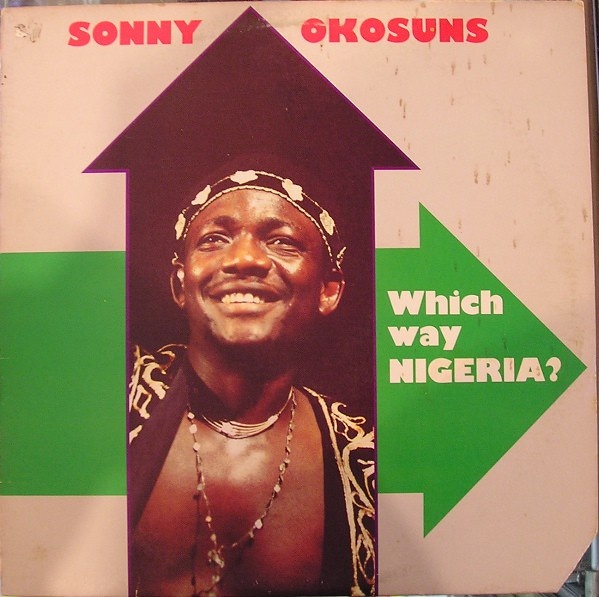
At one of the lowest moments in Nigeria’s history in 1984, when the country faced political instability, economic hardship, and corruption under an oppressive military government, the famed Nigerian musician, Sonny Okosun, sang that iconic protest song, “Which way Nigeria?” asking us Nigerians to reflect on which way Nigeria is heading. Today, that question has become more pressing because the condition of life has become more depressing for the masses of our people. And for me, the Catholic Church in Nigeria is one institution that can help effect an urgent course correction for Nigeria. However, it must also answer the fundamental question: which way for Nigerian Catholics? In other words, are we as a Church capable of leading the country in a different direction, or are we unthinkingly following this precipitous path with the rest of the country into the valley of darkness? Is the Catholic Church in Nigeria led by Catholic doctrine, by Catholic Social Teaching, by Catholic liturgical tradition, by the Catholic intellectual tradition, and by her time-tested principles on the relationship between the Church and the state? Or are Nigerian Catholics heedlessly following the dysfunctional values of a blind and selfish political class, whose extractive appetite has stripped the nation of its material and natural resources, impoverished our citizens, and nailed God’s people to a permanent cross of pain and misery? “And for me, the Catholic Church in Nigeria is one institution that can help effect an urgent course correction for Nigeria. However, it must also answer the fundamental question: which way for Nigerian Catholics?” — Stan Chu Ilo Many Nigerians are watching helplessly as an irresponsible and insensitive political class ravages their beautiful nation. Most Nigerians have disengaged from the political process, and others have sought refuge in different forms of religiosity and religious enchantment as a coping strategy, hoping in God, who, they believe, cannot fail them when everything around them shows signs of instability and decay. Other Nigerians put their hope in a sudden emergence of a saviour, perhaps Peter Obi or any other putative messiah, to rewrite our broken history and heal our wounded land. Yet others, surprisingly, put their hope in external agents, such as Trump, for redemption and liberation. Wherever anyone stands as a Nigerian citizen today, the reality that faces us is shocking and worrisome: how do we unmake the current Nigerian state; how do we radically reform our institutions; how do we cleanse our polluting ethical and social norms, and develop the virtues and practices of an inclusive state that is governed by civic and ethical culture that are transformative and generative of life and social transformation for everyone. The current state of Nigeria continues to shock the conscience as to how a greatly blessed nation with the most extraordinarily gifted citizens can be so poor, so unsafe, and so hopeless because a few thin top layers of religious and political elites have held the country in an internal perpetual bondage for decades now. Nigeria today stands as a troubling paradox of immense potential weighed down by deep structural crises that touch nearly every dimension of our national life. With an unemployment rate hovering around 22.6% and inflation exceeding 30% in recent years, millions of our people are pushed into precarity, reflected in the reality that roughly one-third of the population survives on less than $2.15 a day. This unacceptable manufactured economic fragility is compounded by systemic corruption and patron-client relations between those in power and Nigerian citizens, through an unethical governance structure that has become a transactional cesspool of impunity operated by rogues dressed in agbada, whose extractive leadership is all about the politics of the stomach;emi lókàn—(it is my turn to chop the national cake). According to Transparency International, Nigeria scores just 26 out of 100, ranking about 140th out of 180 countries, a stark indicator of weak institutions and compromised governance. “How do we unmake the current Nigerian state; how do we radically reform our institutions; how do we cleanse our polluting ethical and social norms and develop the virtues and practices of an inclusive state that is governed by civic and ethical culture that are transformative and generative of life and social transformation for everyone.” — Stan Chu Ilo  Insecurity has further eroded public confidence and daily life; the U.S. Department of State maintains a Level 3 travel advisory for Nigeria, with several regions designated “Do Not Travel” due to terrorism, kidnapping, and armed violence, conditions that have normalized fear as part of everyday existence and weakened national and international trade and movements of peoples severely hampering productivity, social innovation, and social connectivity for business and collaborative partnerships. At the same time, Nigeria hemorrhages its most vital resource: more than 100,000 barrels of oil are stolen daily, translating into billions in annual losses in a sector that should anchor national prosperity. Even in moments of global opportunity, such as price spikes linked to conflicts in the Gulf, Nigeria struggles to benefit meaningfully because production shortfalls, subsidy burdens, and theft by conscienceless gatekeepers of our oil wealth offset potential gains. This is not new but part of a troubling continuity. The $12.4 billion Gulf War windfall of 1990, effectively embezzled under the Ibrahim Babangida regime, set a pattern of opaque management of extraordinary oil revenues. The Okigbo Panel noted that this sum alone could have provided water, electricity, and nationwide road and rail links, yet no one was held accountable. Today, a similar dynamic persists: windfall gains from global price shocks remain insufficiently accounted for, while leakages through theft and mismanagement continue, even as Nigeria accumulates rising debt at both federal and state levels despite vast oil earnings. “Nigeria hemorrhages its most vital resource: more than 100,000 barrels of oil are stolen daily, translating into billions in annual losses… Nigeria struggles to benefit meaningfully… ” — Stan Chu Ilo The human cost of this systemic dysfunction is stark. Life expectancy remains low at about 54 to 55 years. In contrast, the disease burden—measured in DALYs—remains

Which Way Nigerian Catholics? Can the Church Lead a Nation in Crisis? Read More »
South Africa: Xenophobic attacks and the dwindling fortune of Pan-Africanism

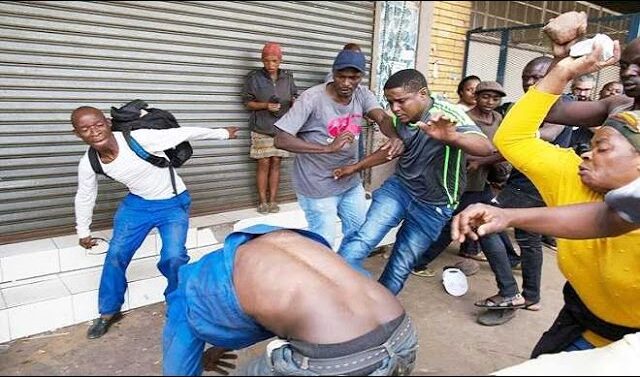
The resurgence is stark; its echoes cast a long shadow over Africa’s rising indices of conflict, violence, and division. In the recent spate of xenophobic attacks, a growing number of young South Africans are sending a clear message: migrants—predominantly from neighboring African nations—are not welcome. Critics accuse foreigners of displacing local labor, escalating crime rates, and, in many instances, residing in the country illegally. These voices are more than mere statements; they reveal a deep-seated perception of African migrants as convenient mirrors reflecting the country’s internal socio-economic failures. What began as a digital war of words has spiraled into physical violence, targeted assaults, and the tragic loss of life. Disturbing footage shows groups storming hospitals and schools in search of foreigners, looting shops, and demanding that migrants leave the country immediately. Scores have been killed, and many more left homeless over the past few weeks. President Cyril Ramaphosa has condemned the attacks, insisting that South Africans must choose the rule of law over mob violence while vowing to hold perpetrators accountable. More than scapegoating foreigners: A crisis rooted in structural failures There are legitimate concerns among young South Africans regarding the strain on public resources, rising crime, and collapsing infrastructure—evidenced by overcrowded classrooms and clinics, poor regulation, and the prevalence of drug and human trafficking. However, beneath these grievances lies a more profound structural reality. While xenophobia in South Africa is rooted in a complex weave of historical, economic, and political factors, the primary driver remains economic frustration among the poor, exacerbated by extreme inequality and governance failures. South Africa remains gripped by profound economic inequality, most visibly manifested in staggering rates of youth unemployment. The unfulfilled promises of the post-apartheid era, contrasted with the perceived success of migrant-owned small businesses—often operating at lower costs and within strong networks—have fueled a volatile mixture of resentment and frustration. Political actors and influencers often exploit the situation, either by fueling inflammatory rhetoric or remaining silent when firm condemnation is required. Patterns of xenophobia in South Africa also reflect unresolved questions of social identity and “othering,” reinforcing a strong “us versus them” mindset that casts migrants as outsiders—even though they are fellow Africans. South African youth are often labeled as entitled, lazy, or unskilled, but many reject this characterization, arguing that they are being blamed for a crisis they did not create. Theoretical analysis unveiling the deeper forces at play This hostility toward foreigners has crystallized into socio-psychological patterns that align with \”structural functionalism\” and \”realist conflict theory.\” From a structural functionalist perspective, South Africa’s social system is under significant strain. When institutions fail to provide stability, the social organism reacts with dysfunction. Rather than addressing the structural roots of the crisis, the most vulnerable members of society—migrants—are scapegoated for broader systemic failures. Xenophobic patterns can also be interpreted through the lens of realist conflict theory, which posits that competition over scarce resources leads to prejudice, discrimination, and hostility. In many ways, xenophobia is a rebranded form of apartheid. While the legal framework of apartheid was dismantled, its shadows continue to loom over modern social identities and divisions. Nationalism vs Pan-Africanism The current wave of violence leaves South Africa caught between narrow nationalist expressions and upholding the sacred tenets of Pan-Africanism. During the struggle against apartheid, South Africa relied heavily on the collective goodwill and solidarity of Pan-African allies. Nigeria gave heavy financial aid, moral and political support to black South Africans anti-apartheid struggle, while revolutionary icons such as Oliver Tambo and Chris Hani were famously welcomed and shielded during their exile in Zambia and other African nations. While the South African government must address the grievances of protesters, the core factors driving tension are structural and extend far beyond the presence of migrants. As wave of anti-immigration protests erupts across the globe, the voice of Pope Leo speaks to us in strong note, insisting that migrants should be treated with dignity and humanity. The crisis unfolding in South Africa serves as a wake-up call not only for the country itself but for all African leaders regarding the urgency of nation-building and true economic independence. It also calls on leaders to promote tolerance, unity, and solidarity across the continent, particularly at a time when global attention is focused on Africa’s internal divisions.

South Africa: Xenophobic attacks and the dwindling fortune of Pan-Africanism Read More »

Far from the battlefield, close to the bill: Africa and the US–Israel–Iran war

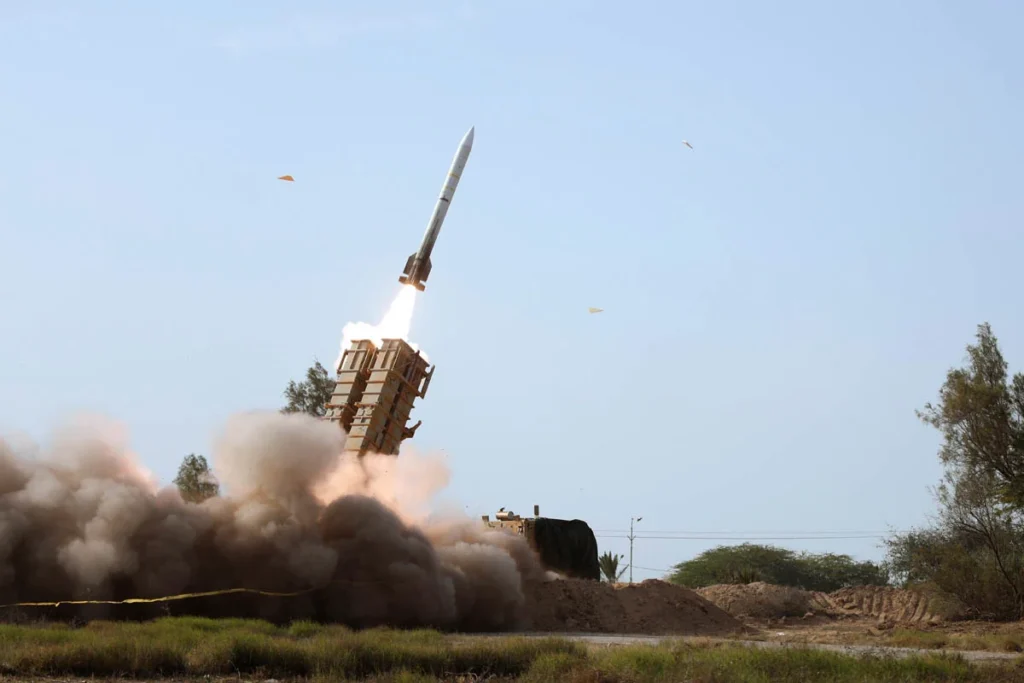
One month into escalating tensions between the United States, Israel, and Iran, the conflict is no longer confined to the Middle East. Its effects are already visible across global markets, supply chains, and political systems. Yet far from the battlefield—in Juba, Abuja, Lusaka, Algiers, and Nairobi—a different question is taking shape: what does this crisis mean for Africa? At first glance, the continent appears distant from the missiles and military maneuvers. In reality, it is already feeling the consequences—rising fuel prices, higher shipping costs, strained aid routes, and growing pressure on governments to respond to a crisis not of their making. “Africa may be far from the battlefield, but it is already paying the price.” — Nnaemeka Ali In economies where reliance on imports persists significantly and fiscal capacity is constrained, such shocks are not readily absorbed. It is tempting to assume that Africa’s oil exporters will benefit from higher prices. Therefore, while some may, briefly, experience advantages, the deeper reality for most countries is exposure to risk. External shocks—particularly those transmitted through energy and trade—have historically had disproportionately severe consequences across the continent. What makes this crisis globally significant is not just its location, but what it endangers. The Strait of Hormuz, through which a large portion of the world’s oil and liquefied natural gas is transported, has become a major concern. As tensions around Gulf infrastructure escalate, oil prices have surged sharply, surpassing $100 per barrel and occasionally nearing $115 (Reuters, March 2026). For many African economies, that shift is immediate. Most depend on imported fuel, so higher global prices quickly translate into increased transport costs, rising food prices, and mounting pressure on household incomes. Policymakers across the continent are already warning that this latest oil shock could spread across key sectors and complicate efforts to contain inflation. Governments now face difficult choices. They can absorb part of the shock through subsidies, placing further strain on already tight budgets, or pass the cost on to citizens, risking social tension. The International Monetary Fund (IMF) has repeatedly warned that many African economies are entering this period with high debt and limited fiscal space, leaving them poorly positioned to absorb external shocks. The first impact of this crisis is therefore not ideological, but fiscal. It deepens vulnerability for importers while offering uncertain gains for exporters. “This is not just a war of missiles—it is a war of prices, and Africa is on the frontline of its consequences” — Nnaemeka Ali This divide is already visible. In Nigeria, higher oil prices do not necessarily lead to stability. Despite being Africa’s largest oil producer, the country remains heavily reliant on imported refined fuel. Recent subsidy reforms have made households more directly exposed to price fluctuations, causing global increases to lead to domestic hardship quickly. For net importers, particularly in East Africa, the effects are more immediate. In Kenya, rising fuel prices affect transport, food distribution, and daily living costs. In Nairobi, this distant geopolitical crisis is already becoming a lived economic reality. Geography sharpens the impact. Countries along the Red Sea corridor—Djibouti, Sudan, Somalia, and Egypt—are at increased risk. Egypt, in particular, is vulnerable through the Suez Canal, a vital route for global trade. World Bank analysis indicates that traffic through the Suez Canal and Bab el-Mandeb Strait drops significantly during times of instability, directly affecting global trade and delivery times. This is not only an energy crisis. It is also a crisis of trade routes. As security threats interfere with essential maritime routes, ships are being diverted around the Cape of Good Hope. This detour prolongs travel durations, escalates expenses, and exerts additional pressure on supply chains. The United Nations Conference on Trade and Development has cautioned that these disruptions are already extending shipping distances and escalating costs throughout global trade networks. Africa is not only paying more for fuel; it is also paying for distance. Longer routes lead to higher freight costs, delays in deliveries, and increased pressure on economies that depend heavily on imports. The strain quickly spreads from ports to markets, transport systems, and households. African leaders are beginning to acknowledge these pressures. On March 4, South Africa’s President Cyril Ramaphosa warned that escalating tensions in the Middle East were already “putting strain on the African continent’s supply chains and causing higher energy prices.” The pressure extends into agriculture. Many African countries depend heavily on fertilizer imports routed through the Middle East. Disruptions are driving prices upward, in some cases sharply. For economies already struggling with food security, higher input costs threaten to reduce output and increase food prices. The consequences are especially severe in places like Sudan, where agricultural systems are already under strain and rising costs risk deepening an existing humanitarian crisis. This is where geopolitics becomes personal. In numerous African nations, governments are assessed less by their foreign policy stances than by the expenses associated with fuel, food, and transportation. When these three costs simultaneously escalate, pressure on authorities intensifies rapidly. The International Monetary Fund (IMF) has observed that inflationary shocks in low-income economies frequently precipitate social unrest, especially in contexts where living conditions are already delicate. At this stage, social institutions become essential. In African cities, churches and mosques are more than just places of worship—they serve as support systems. They handle pressure, provide relief, and give purpose to hardship. As economic pressure increases, they often become the first places people turn to. The humanitarian consequences are increasingly apparent. Disruptions to shipping and logistics are decelerating aid deliveries, elevating costs, and complicating operations in regions already characterized by fragility. For communities dependent on prompt assistance, even minor delays can result in severe consequences. The crisis did not give rise to these vulnerabilities; however, it is intensifying them—augmenting budgets, overburdening supply chains, and applying additional pressure on already fragile systems. African governments are responding cautiously. The African Union has called for de-escalation, reflecting a broader preference for stability over alignment. Many states are hesitant to be drawn into geopolitical blocs, even as external pressure

Far from the battlefield, close to the bill: Africa and the US–Israel–Iran war Read More »

PNFPB Install PWA using share icon

For IOS and IPAD browsers, Install PWA using add to home screen in ios safari browser or add to dock option in macos safari browser