Pan-African Catholic Theology and Pastoral Network

March 2026

Far from the battlefield, close to the bill: Africa and the US–Israel–Iran war

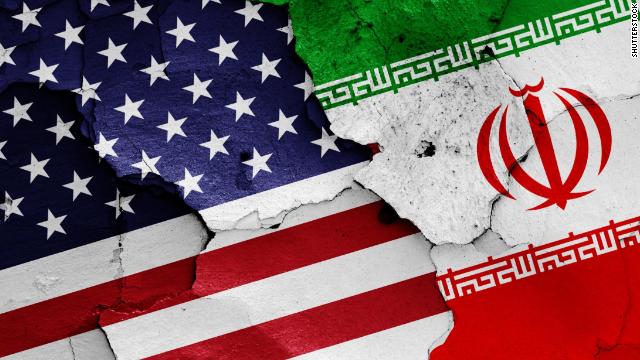
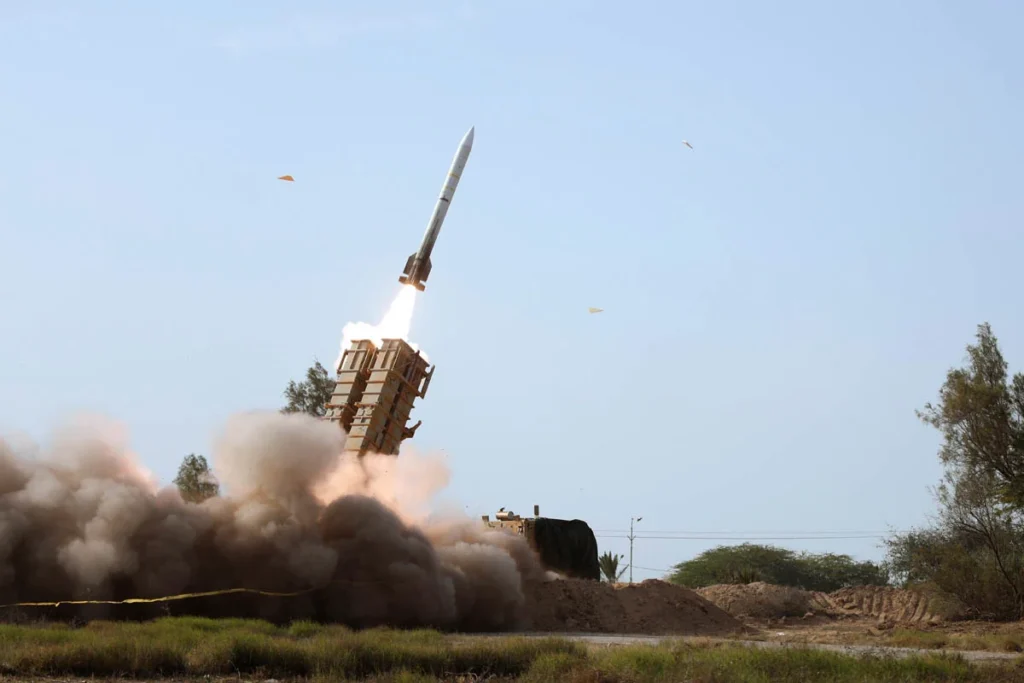
One month into escalating tensions between the United States, Israel, and Iran, the conflict is no longer confined to the Middle East. Its effects are already visible across global markets, supply chains, and political systems. Yet far from the battlefield—in Juba, Abuja, Lusaka, Algiers, and Nairobi—a different question is taking shape: what does this crisis mean for Africa? At first glance, the continent appears distant from the missiles and military maneuvers. In reality, it is already feeling the consequences—rising fuel prices, higher shipping costs, strained aid routes, and growing pressure on governments to respond to a crisis not of their making. “Africa may be far from the battlefield, but it is already paying the price.” — Nnaemeka Ali In economies where reliance on imports persists significantly and fiscal capacity is constrained, such shocks are not readily absorbed. It is tempting to assume that Africa’s oil exporters will benefit from higher prices. Therefore, while some may, briefly, experience advantages, the deeper reality for most countries is exposure to risk. External shocks—particularly those transmitted through energy and trade—have historically had disproportionately severe consequences across the continent. What makes this crisis globally significant is not just its location, but what it endangers. The Strait of Hormuz, through which a large portion of the world’s oil and liquefied natural gas is transported, has become a major concern. As tensions around Gulf infrastructure escalate, oil prices have surged sharply, surpassing $100 per barrel and occasionally nearing $115 (Reuters, March 2026). For many African economies, that shift is immediate. Most depend on imported fuel, so higher global prices quickly translate into increased transport costs, rising food prices, and mounting pressure on household incomes. Policymakers across the continent are already warning that this latest oil shock could spread across key sectors and complicate efforts to contain inflation. Governments now face difficult choices. They can absorb part of the shock through subsidies, placing further strain on already tight budgets, or pass the cost on to citizens, risking social tension. The International Monetary Fund (IMF) has repeatedly warned that many African economies are entering this period with high debt and limited fiscal space, leaving them poorly positioned to absorb external shocks. The first impact of this crisis is therefore not ideological, but fiscal. It deepens vulnerability for importers while offering uncertain gains for exporters. “This is not just a war of missiles—it is a war of prices, and Africa is on the frontline of its consequences” — Nnaemeka Ali This divide is already visible. In Nigeria, higher oil prices do not necessarily lead to stability. Despite being Africa’s largest oil producer, the country remains heavily reliant on imported refined fuel. Recent subsidy reforms have made households more directly exposed to price fluctuations, causing global increases to lead to domestic hardship quickly. For net importers, particularly in East Africa, the effects are more immediate. In Kenya, rising fuel prices affect transport, food distribution, and daily living costs. In Nairobi, this distant geopolitical crisis is already becoming a lived economic reality. Geography sharpens the impact. Countries along the Red Sea corridor—Djibouti, Sudan, Somalia, and Egypt—are at increased risk. Egypt, in particular, is vulnerable through the Suez Canal, a vital route for global trade. World Bank analysis indicates that traffic through the Suez Canal and Bab el-Mandeb Strait drops significantly during times of instability, directly affecting global trade and delivery times. This is not only an energy crisis. It is also a crisis of trade routes. As security threats interfere with essential maritime routes, ships are being diverted around the Cape of Good Hope. This detour prolongs travel durations, escalates expenses, and exerts additional pressure on supply chains. The United Nations Conference on Trade and Development has cautioned that these disruptions are already extending shipping distances and escalating costs throughout global trade networks. Africa is not only paying more for fuel; it is also paying for distance. Longer routes lead to higher freight costs, delays in deliveries, and increased pressure on economies that depend heavily on imports. The strain quickly spreads from ports to markets, transport systems, and households. African leaders are beginning to acknowledge these pressures. On March 4, South Africa’s President Cyril Ramaphosa warned that escalating tensions in the Middle East were already “putting strain on the African continent’s supply chains and causing higher energy prices.” The pressure extends into agriculture. Many African countries depend heavily on fertilizer imports routed through the Middle East. Disruptions are driving prices upward, in some cases sharply. For economies already struggling with food security, higher input costs threaten to reduce output and increase food prices. The consequences are especially severe in places like Sudan, where agricultural systems are already under strain and rising costs risk deepening an existing humanitarian crisis. This is where geopolitics becomes personal. In numerous African nations, governments are assessed less by their foreign policy stances than by the expenses associated with fuel, food, and transportation. When these three costs simultaneously escalate, pressure on authorities intensifies rapidly. The International Monetary Fund (IMF) has observed that inflationary shocks in low-income economies frequently precipitate social unrest, especially in contexts where living conditions are already delicate. At this stage, social institutions become essential. In African cities, churches and mosques are more than just places of worship—they serve as support systems. They handle pressure, provide relief, and give purpose to hardship. As economic pressure increases, they often become the first places people turn to. The humanitarian consequences are increasingly apparent. Disruptions to shipping and logistics are decelerating aid deliveries, elevating costs, and complicating operations in regions already characterized by fragility. For communities dependent on prompt assistance, even minor delays can result in severe consequences. The crisis did not give rise to these vulnerabilities; however, it is intensifying them—augmenting budgets, overburdening supply chains, and applying additional pressure on already fragile systems. African governments are responding cautiously. The African Union has called for de-escalation, reflecting a broader preference for stability over alignment. Many states are hesitant to be drawn into geopolitical blocs, even as external pressure

Far from the battlefield, close to the bill: Africa and the US–Israel–Iran war Read More »
À Niamey, la foi tient bon sous le soleil et face à l’épreuve

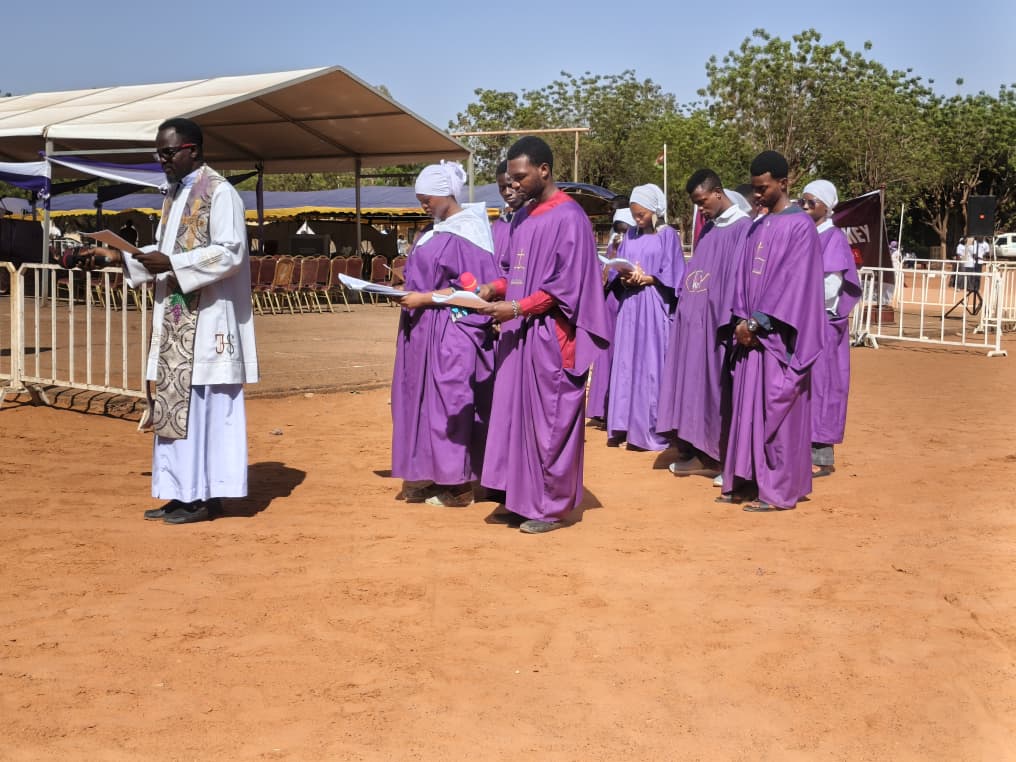
Le dimanche 23 mars n’était pas une journée comme les autres. Pour les catholiques de l’archidiocèse de Niamey, au Niger, il représente un moment profondément symbolique : leur pèlerinage annuel de Carême. Quelques jours après la période du Ramadan, les catholiques — minoritaires dans un pays à majorité musulmane — se sont rassemblés non pas pour se faire remarquer, mais pour marcher ensemble lors d’une journée de foi, de pénitence et de prière. Pour beaucoup, ce pèlerinage est une source de grâces : réconciliation, conversion, espérance et renouveau intérieur. “Dans un pays marqué par l’épreuve, la foi devient un chemin de résistance, de conversion et d’espérance.” — Augustine Anwuchie Organisé dans l’enceinte du Collège Mariama, la première école missionnaire fondée par les sœurs canadiennes de la Congrégation de Notre-Dame du Perpétuel Secours, le pèlerinage a débuté à 8 h et s’est achevé par une messe célébrée à 16 h. Une foule qui choisit la prière plutôt que le confort En cette saison où la chaleur au Niger peut atteindre 41 degrés, les fidèles ont défié le soleil brûlant. Très vite, la température a cessé d’être un obstacle : seule comptait la prière. Le site s’est rempli de pèlerins venus de toute la région : catholiques de Niamey, fidèles des villages environnants, expatriés, migrants, mais aussi des personnes déplacées par l’insécurité dans les zones frontalières du Sahel — Niger, Burkina Faso et Mali. Prêtres, religieux, religieuses, ainsi que l’archevêque de Niamey et l’évêque de Maradi étaient également présents. La journée s’est déroulée comme un véritable chemin spirituel : confessions, chemin de croix, accompagnement pastoral, adoration eucharistique et célébration de la messe. Une prière commune s’est élevée vers Dieu, implorant justice, paix et secours pour un pays confronté aux attaques jihadistes, notamment dans la région de Tillabéry, ainsi qu’aux difficultés économiques liées aux sanctions et aux tensions régionales. “Sous le soleil brûlant, ce n’était plus la chaleur qui dominait, mais la force de la prière et de la communion.” — Augustine Anwuchie Des voix qui portent l’espérance, la foi et la charité L’archevêque de Niamey, Monseigneur Laurent Lompo, a expliqué à VoiceAfrique que ce pèlerinage a été institué pour fortifier la foi des fidèles pendant le Carême et renforcer leur communion. « Ce pèlerinage concerne le secteur de Niamey, car l’insécurité ne permet pas de rassembler tout le diocèse », a-t-il précisé. « Cette année, nous méditons sur la justice à travers notre thème pastoral : Église, Famille de Dieu, dans l’espérance, soyez artisans de paix et de justice. » Pour lui, cette mobilisation témoigne d’un engagement concret des fidèles à construire la paix dans leur pays. « Comme tout pèlerinage, il s’agit de transformer la foi, de fortifier les vertus de la foi, de l’espérance et de la charité. Dans un contexte marqué par l’insécurité et les difficultés économiques, l’espérance devient essentielle pour ne pas perdre la foi. » S’appuyant sur la lecture du jour, il a évoqué le prophète Ézéchiel, qui appelait un peuple en exil à ne pas se décourager. « Dieu reste source de consolation et de force. » Il a également souligné l’importance de la solidarité envers les personnes déplacées : « Certains arrivent ici fatigués, éprouvés, parfois au bord du découragement. Mais en voyant qu’ils sont accueillis, soutenus et accompagnés, ils repartent fortifiés. » L’évêque de Maradi, Monseigneur Ignatius Anipu, a également salué la profonde spiritualité de cette rencontre. « Voir autant de fidèles engagés dans les dévotions populaires témoigne d\’une vraie soif de Dieu. C’est un appel à l’Église de les accompagner davantage. » Il espère que ce type d’initiative pourra inspirer son diocèse et encourager les fidèles à rester fermes malgré les difficultés. Parmi les participants, Mme Perpétue Félicy, présente pour la troisième fois, témoigne : « Ce pèlerinage me donne la paix, l’amour et le sens de la cohésion. Nous avons prié pour cela, et je crois que nous en avons vraiment reçu les fruits. » Elle a été particulièrement touchée par la présence de personnes déplacées venues notamment de Makalondi et de Siloé : « Le fait que la messe soit traduite en zarma, en haoussa et en gourmantché leur permet de se sentir pleinement intégrés. C’est très beau à voir. » Kosi, jeune pèlerin de 23 ans, souligne l’impact spirituel : « Les confessions permettent de se réconcilier avec Dieu. Les enseignements nourrissent l’âme. Et c’est aussi un moment pour retrouver d’autres personnes. » Selon le père Mathew Agbai, prêtre Fidei Donum originaire du Nigeria, l’accessibilité de ce pèlerinage est d\’autant plus importante : « Parce que beaucoup de croyants ne peuvent pas aller à Rome ou à Lourdes, ce pèlerinage local leur offre une véritable grâce spirituelle. » Il souligne aussi son importance pour les déplacés : « C’est un espace où ils sont vus, écoutés et soutenus, spirituellement comme matériellement. » Un moment de joie et de gratitude À la tombée du soir, l’atmosphère s’est transformée. Dans une joie visible, des milliers de pèlerins ont quitté le Collège Mariama, portant avec eux des messages d’espérance, de paix et de renouveau. “Même au cœur de l’insécurité, la foi continue de rassembler, de faire prier et de faire espérer.” — Augustine Anwuchie Ce n’était pas seulement un pèlerinage, mais aussi une rencontre et un moment de communion et de solidarité. Dans un pays marqué par l’insécurité et les épreuves, la foi continue de rassembler, de faire prier et de faire espérer.

À Niamey, la foi tient bon sous le soleil et face à l’épreuve Read More »

Zambian Religious Sisters Trained in Chapter Facilitation at ACWECA Workshop

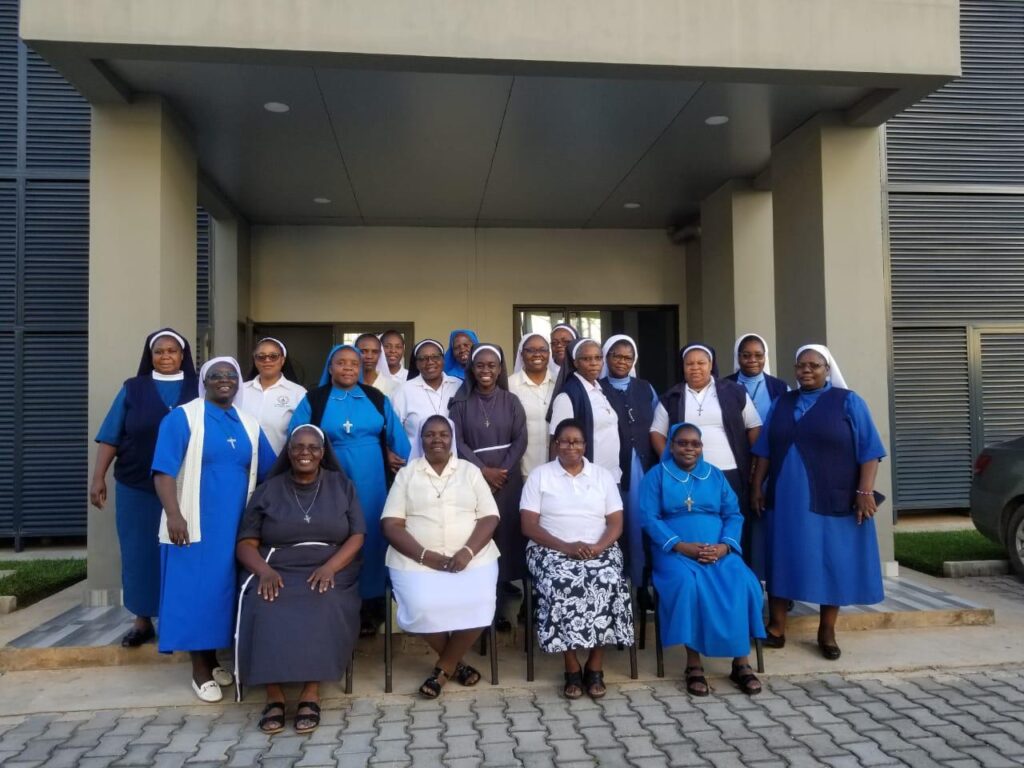
LUSAKA, Zambia – On March 17, 2026, fifteen sisters from seven religious congregations in Zambia completed a week‑long training in chapter facilitation aimed at strengthening leadership and improving the conduct of General Chapters within religious institutes. The workshop, organized by the Association of Consecrated Women in Eastern and Central Africa (ACWECA), took place at the Kalundu Conference Centre in Lusaka and focused on equipping participants with both spiritual and practical skills needed for effective facilitation. The General Chapter of a religious institute is much more than a mere business meeting or a periodic administrative duty; it is a sacred moment of grace, an ecclesial gathering, and a deep celebration of a congregation’s life. The success of this pivotal occasion often depends on the quality of its guidance.  ​The training, specifically designed to bridge the regional gap in the number of skilled facilitators, brought together 15 sisters from seven congregations across Zambia. It was not merely a technical seminar but a holistic formation journey, one that challenged, inspired, and transformed participants both personally and communally. ​The programme\’s curriculum was carefully designed to address the intricacies of contemporary religious experiences. Sr. Theresa Helena Muzeta, a Religious Sister of Charity (RSC), guided the participants in exploring the spirituality of facilitation. She highlighted that a General Chapter serves as a spiritual encounter grounded in discernment, prayer, and mindful listening to the Spirit. ​This was complemented by Sr. Lontia Siakalambwa, a Religious Sister of the Holy Spirit (RSHS), who offered practical tools for conflict transformation, helping participants understand that conflict should not be seen as something to be avoided, but as a reality that, when well handled, can generate growth, new values, and deeper communion. She also reminded the participants that a General Chapter is a spiritual encounter grounded in discernment, prayer, and mindful listening to the Spirit.\” ​Legal and structural integrity remained central to the formation with Sr. Chrisencia Mkume (RSHS), who provided insights from canon law and the five canonical purposes of a Chapter, while Sr. Thérèse Nyoni, the Superior General of the Little Sisters of St. Francis (LSSF), guided participants through the responsibilities of chapter delegates and emphasized the organic relationship between membership and leadership, noting that sound membership naturally gives rise to sound leadership. ​For many participants, the workshop dismantled long-held misconceptions about chapters. Sr. Mutinta of the Holy Spirit Sisters described a profound shift in the perspective, saying: “I was inspired by the fact that the Chapter is a celebration of our life and not a battlefield. It is a time of renewal, where we reflect on what has been and look to the future with hope.” She further reiterated that discernment is not optional but essential, not only within Chapters, but in everyday life. Participants also discovered that facilitation begins within the person. Self-awareness, preparation, and a deep understanding of the group being served emerged as critical foundations. As one insight highlighted, a facilitator must never leave things to chance but must engage deeply with the congregation’s life, charism, and constitutions. ​A recurring theme throughout the workshop was the importance of creating environments where every voice is heard and valued. Sr. Clarina Ndona (LSSF) identified creating safe spaces and active listening as the most valuable skills she has gained. In her own words, she said: “This training has taught me to be impartial and to create a space where everyone feels respected and heard.” She also noted that these skills will be immediately applicable—not only in Chapters, but also in community meetings and congregational assemblies—transforming how dialogue and decision-making unfold at every level. ​The training also touched the participants on a personal level. Sr. Dr. Christine Mwaka Himoonga (HBVM) described the experience as both challenging and enriching, particularly in learning how to guide rather than control discussions: “Facilitation is less about directing and more about guiding conversations in a way that allows everyone to feel heard.” Through role-play and shared experiences, the sisters practice patience, adaptability, and the ability to manage diverse personalities—skills essential for fostering unity in increasingly diverse communities. \”The stronger our facilitation, the stronger our communion; and the stronger our communion, the more credible our witness.\” ​This initiative responds to a long-identified gap in the region. Sr. Christine Mwangi, outgoing ACWECA Coordinator for Leadership for Mission, explained that the lack of trained facilitators has often limited the effectiveness of General Chapters. A well-facilitated chapter, she noted, leads to deeper understanding, stronger unity, and more fruitful outcomes for congregations. More importantly, it shifts the focus of Chapters from merely electing leaders to becoming authentic moments of communal discernment about the future. Going forward, ACWECA is exploring mentorship programmes, follow-up engagements, and a potential “Master Trainers” model to ensure sustainability and continued growth across the region. ​As these sisters return to their respective communities and missions, they carry renewed confidence and strengthened skills to foster unity. ​They also believe in the renewed vision of the General Chapter, not as a procedural obligation, but as a sacred space of listening, discernment, and shared responsibility for the future. In the quiet halls of Kalundu, a new generation of “midwives of communion” has emerged, women ready to guide their congregations towards a future grounded in hope, unity, and faithful witness.

Zambian Religious Sisters Trained in Chapter Facilitation at ACWECA Workshop Read More »

Inside Nigeria’s Terror Architecture

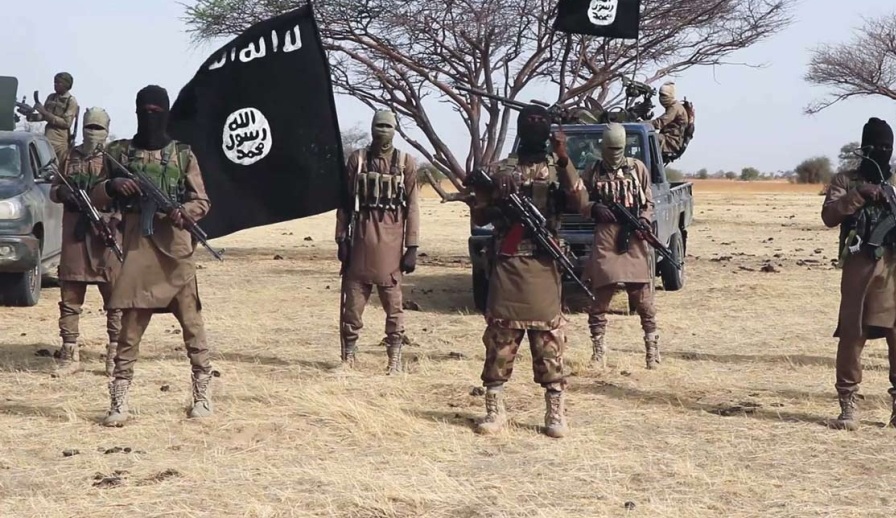
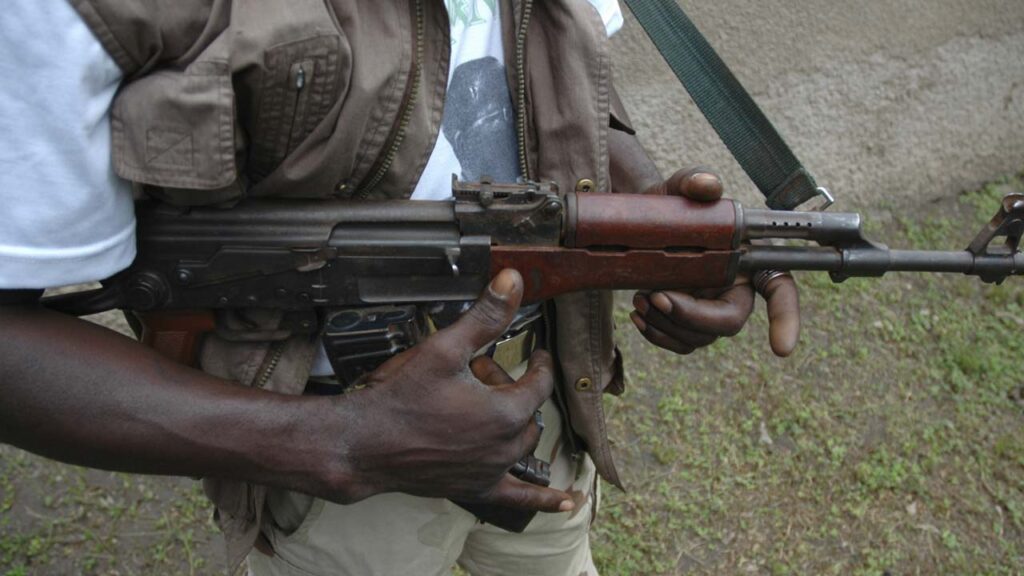
During an appearance on Head-to-Head on Al Jazeera on March 7, Daniel Bwala, Special Adviser on Policy Communication to President Bola Ahmed Tinubu, argued that Nigeria’s insecurity must be understood within its “context.” Yet for many Nigerians, the lived context is unmistakable: a country where kidnappings, bandit attacks, insurgent violence, and mass killings have become recurring features of daily life. “For millions of Nigerians, ‘context’ is not a theory—it is a daily experience of fear, bloodshed, and survival.” — Augustine Anwuchie In Kwara, armed militants reportedly killed more than 170 people on 3-4 February this year in a coordinated attack in Woro and Nuku communities, while 315 schoolchildren, including teachers, were kidnapped at St Mary’s School Papiri, Niger State, on 21 December 2025 and were later released. The President Bola Ahmed Tinubu has announced a series of reforms, such as collaboration with the United States and Turkey in counterterrorism, intelligence sharing and security support, but none have yet addressed the constant kidnappings and bloody attacks. Nigeria’s terror architecture is like a hybrid, multi-faceted structure in which extremist ideology, political exploitation, and economic criminality intersect. At the root of this architecture lie core drivers: religious extremism, power dynamics, money and territorial control, especially over Nigeria’s mineral-rich regions “Nigeria’s terror is not accidental—it is a system where ideology, politics, and profit converge.” — Augustine Anwuchie At the religious front of Nigeria’s security crisis stand Boko Haram and the Islamic State West Africa Province (ISWAP), two groups whose ideological visions overlap but whose operational models differ. Boko Haram seeks to completely overthrow the Nigerian state system and establish a puritanical Islamic order through violent jihad. Its philosophy rejects Western education and governance as corruptions that must be purged. ISWAP, though an offshoot of Boko Haram, has developed a more structured, quasi-bureaucratic model aimed at building a political entity in Nigeria and the wider Sahel. Its alignment with global jihadist networks gives it both funding and ideological reinforcement. These groups illustrate how religious extremism remains a powerful and persistent pillar of terrorism in Nigeria, driving recruitment, radicalization, and cross-border insurgency. A recent investigation has alleged that powerful Nigerians—including high-ranking politicians and military officers—protected financiers of Boko Haram and shielded them from investigation Political Interests: When Power and Violence Intersect Another critical strand in Nigeria’s terror architecture is the political manipulation of violence. Over the years, allegations have surfaced   suggesting some political actors weaponize bandits, ethnic militias, and armed groups to secure electoral advantages or maintain regional influence.Some commentators and testimonies have alleged that bandits from the Sahel were recruited, mobilized, and sponsored during the 2015 election cycle to support political actors seeking power, although the ruling All Progressives Congress (APC) has consistently denied these claims. Once embedded, these groups entrenched themselves in Nigerian forests and rural communities. Further claims continue to ignite national debate. Former Kaduna State governor Nasir El-Rufai, speaking on Channels TV, accused the National Security Adviser of making covert payments to bandit leaders.  A former aide to Bello Matawalle has further alleged that, during his tenure as governor of Zamfara, the minister of state for defence equipped bandits with vehicles and gifts, using them as political leverage, and that he has continued to maintain contact with them. An accusation that Matawalle has strongly denied. Economic Drivers: Minerals, Banditry, and Criminal Elite The economic dimension of Nigeria’s terror crisis is arguably the most explosive. It revolves around illegal mining, rare-earth minerals, and transnational criminal networks. Investigations by ENACT Africa have alleged that certain bandit groups are armed and financed by corrupt Nigerian politicians in partnership with some Chinese mining interests. Violence becomes a strategy: indigenous communities are terrorized and displaced, clearing the path for illegal mining of gold, lithium, and coltan, which are then exported—often to Chinese buyers. Other investigations further link illegal mining with bandit finances. The Cable and ICIR report that in Zamfara and across the Northwest, illegal artisanal gold mining (ASGM) is tightly woven into bandit activities. Infamous bandit leader Kachalla Mati allegedly earns ₦200–₦300 million weekly from gold operations. Large quantities of Nigeria’s gold are smuggled into Niger and Mali, where they are exchanged for cash or directly bartered for weapons. This has increased arms trafficking networks and weapons fuelling violence, exacerbated by porous borders, criminal networks spanning the Sahel, illegal local fabrication, and corruption among certain political and security officials. The Small Arms Survey notes that Northwest Nigeria is particularly exposed to these flows due to shared ethnic ties and long-standing smuggling corridors. While an  ISS report concludes that Nigeria’s borders serve as major arteries for a regional weapons pipeline linking criminal groups, jihadist factions, and political militias. Some analysts and local reports allege that elements within the political and security structures have, at times, failed to adequately responds to attack in the Middle Belt, worsening the security dilemma. A Crisis Woven from Many Threads. Nigeria is caught up in a bloodbath that is proving difficult to reverse. In the words of Ashley Kitisya, Program Manager for Africa at the Laudato Si Movement: Insecurity in Nigeria is not merely a security failure; it is a product of a deeply intertwined architecture of religious extremism, political interests, and competition over resources. If it hopes to reverse this, the value of human life and dignity must come first over political manipulation and narrow interests. Also, according to Pope Francis, ‘Every human life has inherent dignity, and that dignity must be recognized and protected.’  Nigeria’s terror landscape is not caused by a single group, ideology, or region. It is a complex architecture built from overlapping interests: jihadist ambition, political opportunism, economic exploitation, and weak governance. Any meaningful solution must therefore be multifaceted—addressing security, governance, and economic justice while dismantling both domestic and foreign networks that profit from violence. Until then, Nigeria’s cycle of terror will remain self-sustaining: fed by minerals, fuelled by arms, protected by political interests, and justified by extremist ideology. “Until these networks are dismantled, Nigeria’s violence will remain self-sustaining—fed by minerals, fuelled by arms, and protected

Inside Nigeria’s Terror Architecture Read More »

Did God Create Hell? Part II: A Call to Repentance and Return to God and Love

Why are people not thinking of hell anymore as they did in the past? Lent is the season when the Church insists that we look steadily at the truth: the truth about our fragility, sin, death, eternity, and God. Lent does not invite us into morbid fear; it invites us into conversion. It calls us back from a life lived on the surface, back from a life that has forgotten eternity. We need to think of the fragility and temporality of life. My reflection on hell is not because I wish to frighten anyone, but rather because I believe that if we place eternity before us, we can never waste any single day. Having eternity before me reminds me of my human finality. It forces me to let go of pride and vain glory because we take nothing with us from this life, except, as we pray at every funeral, the good deeds that go with us. “Reflection on hell is the Church’s call to live responsibly before God in view of eternity.” — Stan Chu Ilo The contemporary forgetfulness of hell is not new. Already in the fourth century, John Chrysostom (c. 349–407), the great Archbishop of Constantinople known as the “Golden-Mouthed,” lamented that Christians of his own time were growing spiritually complacent. Though they feared poverty, illness, or public shame, they seemed indifferent to the eternal destiny of their souls. In his homilies on Matthew and Romans, he warned that people weep over material losses but do not even groan over the loss of their souls. He urged his hearers to keep eternity before their eyes, insisting that meditation on judgment and hell was not meant to terrify but to awaken. For Chrysostom, remembrance of hell was medicinal, a spiritual discipline meant to restore moral seriousness and lead to conversion. The problem, then as now, was not disbelief alone, but forgetfulness—that is, a loss of eschatological consciousness. Reflection on hell is the Church’s call to live responsibly before God in view of eternity. In this second part of my reflection, I examine how the New Testament and early Christian literature use the language of hell, asking whether it should be understood primarily as a serious warning about the terrible consequences of sin rather than as a detailed blueprint of the fate of the reprobate. It is necessary to clarify the key term “hell” as used in mainstream Catholic tradition. In 1979, the Sacred Congregation for the Doctrine of the Faith published a brief text, On Certain Questions Concerning Eschatology, at a time when confusion about the last things was spreading in theological circles. Rather than offering speculative details about the architecture of the afterlife, the document reaffirmed the essential structure of the Church’s faith. It recalled that eternal life is communion with Christ, that human freedom has lasting consequences, and that the possibility of definitive self-exclusion from the vision of God cannot be denied without emptying moral responsibility of its seriousness. Hell, in this articulation, is understood above all as deprivation of the sight of God. Hell is a rupture that touches the whole being of the person. At the same time, the document distinguished clearly between this state and the purification of those who die in God’s friendship but are not yet fully conformed to God. Purgatory is ordered toward the beatific vision; hell is the tragic refusal to see God; it is the stubborn turning away permanently from God; the refusal of the human soul to submit to God’s will and ordination of all things. Hell is the state of those who reject God to the last moment of their lives—those who turn their back on God and on their neighbors, and those who cling unrepentantly to sin and evil to the final hour of life. “The doctrine of hell ultimately reminds Christians that love must be freely chosen.” — Stan Chu Ilo The theological balance here is important. The Church safeguards both divine mercy and divine justice. She resists sentimental universalism that dissolves judgment into inevitability, and she resists a crude literalism that imagines eternal punishment in merely spatial or material terms. The Church affirms the boundless love and mercy of God for all sinners. We are reminded that though our sins be as dark as scarlet, God will forgive us. As the prophet Isaiah proclaims:                                                                                                        “Though your sins are like scarlet, they shall be as white as snow; though they are red like crimson, they shall become like wool” (Isaiah 1:18). The only sin that cannot be forgiven is the refusal to admit one’s sins before God, for God cannot forgive what we have not confessed or repented of. As Scripture teaches: “If we confess our sins, he who is faithful and just will forgive us our sins and cleanse us from all unrighteousness” (1 John 1:9) But the one who refuses to acknowledge sin closes the door to mercy, for “Whoever conceals their sins does not prosper, but the one who confesses and renounces them finds mercy” (Proverbs 28:13). God does not impose forgiveness or mercy on us—ask, and you shall receive. Jesus himself reminds us: “Ask, and it will be given to you; search, and you will find; knock, and the door will be opened for you” (Matthew 7:7). For the Lord is always ready to forgive, but he waits for the humble heart that turns back to him. What is central is relational: communion with God or its loss. God does not coerce love, but neither does He trivialize freedom. As the late Archbishop Desmond Tutu once said: “God will freely allow you to go to hell rather than force you into heaven.” Eternity, therefore, is not a figure of speech; it is real. It is the horizon before which our choices stand. It is the opening into the boundless love of God, which is the fulfilment of friendship begun with God here on earth. Friendship with God, which is our vocation, never ceases with death. In the longer

Did God Create Hell? Part II: A Call to Repentance and Return to God and Love Read More »

Lent Is All About Abundance: Embracing the Grace of Saturated Life

An experience can have the epistemic power of disruption, allowing for a new way of seeing what has become familiar in our lives. This reflection offers some insights into an experience that has initiated a new way of seeing Lent, one that I invite you to explore with me. On the second Sunday of Lent, 2026, I had the pleasure of worshipping at Saint Brendan the Navigator Parish located in Cummings, Georgia. Walking into this beautiful church, one immediately notices its spaciousness. Everything looks new. Yet, what were most disruptive to the imagination were the following: that Sunday was the twenty-fifth anniversary of the parish. One of the auxiliary bishops of Atlanta, Most Reverend John Nhan Tran, along with two priests, including the pastor, and two deacons, served as the ministers at the liturgy. The ceremony had an honorary guard of the Knights of Columbus. The church was packed full. What was most interesting to observe was the number of children playing, crying, and speaking a language that only infants and God can understand. Observing the different generations of humans gathered, one notices a sense of abundance defining the space and season. Yet it was the second Sunday of Lent. How can abundance be associated with Lent? “Lent is never a reality that stands on its own; it points to a relationship of abundance with a God radically defined by saturated life.” — SimonMary Asese Aihiokhai Too often, we are made to think that Lent is all about letting go. It is about a turn to aridity, penance, sacrifice, and frugality as a source of spiritual connection with God. On the first Sunday of Lent, we are even confronted with the gospel reading that locates Jesus in the desert, enduring his symbolic temptations at the hands of the devil after a forty-day fast. With these in mind, one can easily conclude that abundance and Lent are two contradictory realities. But we forget to ask: what does Lent point to? Lent is never a reality that stands on its own. It points to a relationship of abundance with a God that is radically defined by saturated life. Two major motifs that Lent evokes reflect abundance. First, the desert, when viewed superficially, evokes a sense of aridity. A closer look at it reveals a place of abundance that manifests as the resiliency of life. The desert is spacious. It welcomes all who seek to enter it without discrimination. Creatures who live in the desert are radically defined by existential resiliency. They endure even in the face of hardships. Their existence is a reminder to all that life is always rooted in abundance when resiliency is embraced as an existential virtue. “The desert and the spring both reveal the same truth: life persists and flourishes even where scarcity seems to reign.” — SimonMary Asese Aihiokhai Second, it is not accidental that the Church locates the season of Lent within the natural season of Spring. Spring exudes life in abundance. Plants awake from the slumber of Winter. Animals emerge from the caves of hibernation. When one looks around one’s environment during Lent, one notices the beauty of life in all its manifestations. It is during this period that the Church invites itself to journey into a deeper realm of spiritual consciousness and solidarity with all in God’s world. This sense of solidarity is not intended to steal away from the abundance that nature reveals. Rather, it is to lean into it and to show that the sacrifices we embrace during this season are intended to evoke the solidarity of abundance with the God of abundance, who reveals Godself through the abundance inherent in nature. Returning to my experience at Saint Brendan the Navigator Parish at Cummings, Georgia, the tapestry of the community speaks to what God invites us to experience during Lent. We are invited to embrace a vision that is polyphonic, one that allows us to see not just that which we are familiar with. We are asked to see the unfamiliar; a vision that is intended to disrupt our imagination so that the saturated grace of life can be received and shared with all. The crying, playful, and sound-making children offered their own homiletic message along that offered by Bishop Tran as a reminder to us that all sermonic engagement with the Word of God ought to mediate a reminder of who God is – the God of saturated life. Children are a concrete expression of saturated life oriented toward many possibilities. Similarly, the Word of God mediates saturated life that orients its listeners to several pathways for manifesting that gift of God’s life in the world. Abundance not only links us to a saturated life but also disrupts our imagination. It has the capacity to evoke in us a consciousness of beauty. Just like the desert that invites us to embrace its own beauty, which is instantiated through a different pathway, in this case, it is through the resilient existence of all that lives in the desert, the spring season is saturated with beauty. Nature invites us to encounter its content through the dazzling and varied colors of all the creatures it nurtures. These two motifs, intricately linked to Lent, are reminders to us to see Lent as a time of practicing a way of living that exudes abundance. In this case, it is the grace of saturated life. “To receive the grace of saturated life during Lent is to awaken to solidarity with those whose lives are marked by violence, displacement, and suffering.” — SimonMary Asese Aihiokhai Saturated life as a gift that reflects abundance, which God makes possible, has an ethical grounding as well. As Christians who take the reality of Lent seriously, our embrace of life ought to evoke in us as well the consciousness of solidarity with all who may not be experiencing saturated life in their own social contexts. I am particularly conscious of the Palestinian People who have been rendered homeless due to the

Lent Is All About Abundance: Embracing the Grace of Saturated Life Read More »

Leadership Without a Moral Compass: Who Pays the Price?

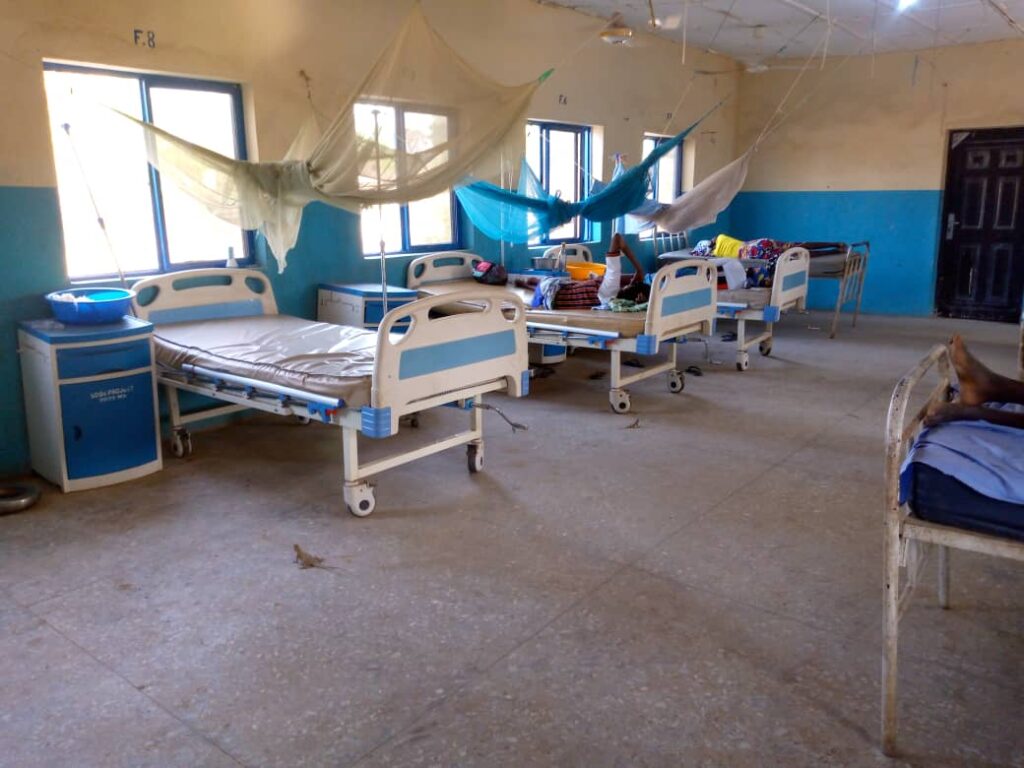
I went to the hospital not as a researcher or policy analyst, but as a priest responding to a pastoral call. A parishioner had been admitted, and my intention was simply to offer prayers and presence. What I encountered was not only illness, but quiet abandonment. The corridor was heavy with heat. Electricity failed intermittently. A nurse apologized repeatedly for delays she clearly did not cause. Essential drugs were unavailable. A young mother sat holding her feverish child, her eyes fixed on the floor—not in protest, but in resignation. Nothing about that hospital suggested the absence of leadership. The building stood. Budgets had been approved. Committees had met. Files had moved. Yet care was absent. The distance between policy and practice revealed something deeper than inefficiency. It revealed moral absence: the severing of power from responsibility, authority from conscience. Suffering had become ordinary. “Leadership without an ethical compass produces institutions that function procedurally while failing humanely.” — — Kizito C. Umennadi This essay argues that Nigeria’s crisis in healthcare is not merely administrative or economic, but fundamentally moral. Leadership without an ethical compass produces institutions that function procedurally while failing humanely. When leadership loses its moral center, structures remain standing, but human dignity collapses within them. The hospital corridor is only one example. In overcrowded classrooms, teachers improvise without resources. In government offices, files move only when conscience is bribed. In markets, inflation steadily erodes livelihoods. In communities plagued by insecurity, citizens adapt to fear as routine. Institutions function, but people are wounded. Leadership remains procedural while ethical direction disappears. The question is unavoidable: When leadership loses its moral compass, who pays the price? At its core, leadership is not simply the possession of power; it is custody over human life. A moral compass refers to the interior capacity to discern right from wrong and to act consistently for justice and the common good. Thomas Aquinas maintained that authority loses legitimacy when it departs from reason and the common good, becoming coercion rather than justice (Summa Theologica, I–II, q. 90). Augustine of Hippo warned that kingdoms without justice are little more than organized robbery (City of God, IV.4). Immanuel Kant insisted that human beings must never be treated merely as means, regardless of efficiency or legality. Modern scholarship explains how moral erosion often occurs quietly. Hannah Arendt described the “banality of evil,” the frightening normalcy with which harm can be carried out through routine bureaucracy. Zygmunt Bauman showed how institutional distance dulls moral responsibility. Ronald Heifetz distinguished technical authority from adaptive leadership, arguing that genuine leadership requires courage to confront ethical complexity rather than hide behind procedure. Nigeria’s healthcare sector gives these insights concrete expression. Preventable suffering becomes routine not only because of limited resources, but because accountability is diffused and moral urgency blunted. Moral leadership in healthcare would mean transparent procurement systems, regular maintenance of equipment, protection for whistleblowers, and investment in staff welfare. It would require leaders who measure success not merely by budget allocation, but by reductions in preventable deaths and restoration of public trust. Leadership failure also leaves psychological scars. Repeated exposure to broken systems fosters what psychologist Martin Seligman described as learned helplessness—a condition in which individuals cease attempting change because effort no longer appears connected to outcome. Closely related is moral disengagement, a concept developed by Albert Bandura, whereby individuals detach ethical standards from behavior in order to survive within corrupt environments. “The greatest danger is not crisis, but normalization—when injustice becomes expected and moral compromise passes for realism.” — Obi Ifeoma E. In counselling encounters, many young Nigerians voice a painful contradiction: they know what is right, yet feel punished for doing it. Over time, conscience weakens. Cynicism replaces hope. Integrity begins to look naïve. The crisis, however, is not only structural; it is interior. Power does not heal psychological wounds; it magnifies them. Unexamined fears—fear of losing office, fear of exposure, fear of inadequacy—can drive leaders toward control and intolerance of dissent. Rather than engage criticism reflectively, fearful leaders silence it. Unresolved trauma may further distort governance. Leaders who have not processed experiences of deprivation or humiliation may unconsciously reenact these wounds through defensive or authoritarian decision-making. Trauma that remains unacknowledged does not disappear; it becomes policy. Unchecked narcissism deepens the distortion. Institutions become extensions of the self. Accountability feels like attack. Empathy diminishes. Erik Erikson described identity diffusion as a failure to integrate values and responsibility coherently. When such fragmentation exists in those who wield authority, leadership lacks direction. As M. Scott Peck observed, avoidance of self-examination often lies at the root of social harm. Scripture underscores the moral gravity of leadership. The Prophet Ezekiel condemned shepherds who fed themselves rather than the flock (Ezek. 34:2–10). The Letter of James warns that leaders will face stricter judgment (James 3:1). Christ redefined authority as service rather than domination (Matt. 20:25–28). Pope John Paul II described the embedding of personal moral failure into institutions as “social sin.” (Sollicitudo Rei Socialis, 1987). So who pays the price? Not primarily those who wield power. It is the poor whose suffering becomes normalized. The youth whose moral imagination is wounded. Families strained by economic instability. Society itself, which gradually replaces hope with cynicism. “Until conscience is restored to public authority, the vulnerable will continue to pay the price.” — Aliyu Adaora E. The greatest danger is not crisis, but normalization—when injustice becomes expected and moral compromise passes for realism. To be sure, moral language alone cannot repair structural deficits. Underfunding, demographic pressures, and institutional complexity constrain even well-intentioned leaders. Not every failure stems from personal vice. Yet structural weaknesses become tragedies when leaders lack the ethical clarity and courage to confront them honestly. Moral courage does not eliminate scarcity; it determines how scarcity is managed and who bears its burden. Sustainable reform therefore requires more than policy change. It demands moral formation and interior integration: leadership education grounded in ethics; transparent accountability mechanisms; psychological self-awareness supported by reflective practice; and cultural norms that reward integrity

Leadership Without a Moral Compass: Who Pays the Price? Read More »

Why Are African Young Men Being Lured to Die in the Russia-Ukraine War?

The Foreign Minister of Ghana, Samuel Ablakwa, on a recent visit to Kiev, Ukraine, asked his Ukrainian counterpart to help secure the release of two Ghanaians held as prisoners of war. According to a report by the BBC, of the 272 Ghanaians said to be fighting in the war, more than 55 young men have been killed. Another investigation by TV5 Monde in a special report titled All Eyes on Wagner, Le Business du désespoir estimated that there are currently 1,417 young Africans fighting in the war, of whom 316 have died. From the African Sahel to South Africa, from Nigeria to Ghana, and from Kenya to Ethiopia, hundreds of African young people are being lured to fight in this war through deception, exploitation, and manipulation. The number of African young fighters is not fully known because of the dark world that surrounds the recruitment networks. In South Africa, for instance, the daughter of former President Jacob Zuma, Duduzile Zuma-Sambudla, is standing trial for allegedly recruiting between 17 and 22 young South Africans to fight in the war with false promises, according to reporting by CNN. Seventeen of these South Africans, at the time she was charged, were trapped in the war-torn Donbas region. In Kenya, Festus Omwamba, head of Global Faces Human Resources, is being held on charges of illegally recruiting 22 Kenyans to fight in the war under the pretext of lucrative employment contracts, according to another report by the BBC. The Kenyan National Intelligence Service estimates that as many as 1,000 Kenyans are currently fighting in the Russia-Ukraine war. These nameless and faceless young Africans are our sons and daughters whose future has been sacrificed because they live in a continent where many prefer to expose themselves to death because they have lost hope in the African Motherland. Unlike the World Wars, where Africans were forced against their will by colonial oppressors to fight for the feuding Western powers in wars in which they and their ancestors had no hand and from which they would not benefit, these young people are being sacrificed by their own fellow citizens. “Hundreds of African young people are being lured to fight in this war through deception, exploitation, and manipulation.” — Stan Chu Ilo We are selling our own people to foreigners knowing that they may meet violent death. The greed that drives many a demented soul and poisoned heart stops at nothing in the conscienceless pursuit of filthy lucre. What is happening to our young people today, exemplified in this illegal sale of our young men to die on the battlefields of Ukraine or Russia, reflects a cycle of decay in our continent: corruption that knows no limit; lawlessness and wickedness that know no bounds; and the falsity of the claim that we Africans love life, family, and community. We must wake up to the lie that Ubuntu is alive in the continent if we are selling our own sons and daughters to foreigners to be slaughtered. Africa is now a leading continent for modern-day slavery and human trafficking, according to the United Nations Office on Drugs and Crime. This reality shatters our claims to be the last sanctuary for the finest values and testimony to the primacy of life and a pro-life ethic. We know that these young men face almost certain death in Russia and Ukraine, yet our governments are only now beginning to take notice. In an interview with CNN, the Ukrainian Foreign Minister Andrii Sybiha claimed that more than 1,400 citizens from 36 African countries are fighting for Russia in Ukraine and that “most of them are immediately sent to the so-called ‘meat assaults’ where they are quickly killed.” “We are selling our own people to foreigners knowing that they may meet violent death.” — Stan Chu Ilo As this unfortunate war enters its fourth year, the African Union, African governments, and the Catholic Church in Africa must make a pact to end this shameful and abominable act of selling our young men to die in this needless war. First, with over 70 percent of Africans under 30 years of age, education and employment must become an absolute priority. The second liberation we long for in Africa must be anchored on the shoulders of young people. As the African UN Youth Delegate, Kapwani Kavenuke, said in a recent interview with Africa Renewal, the youth of Africa are “the heartbeat that will carry Africa from potential to prosperity.” But this will not happen without transformative reforms that prioritize youth education, create opportunities for innovation and entrepreneurship, and implement sustainable forward-looking policies that build on the assets and idealism of African young people. Youth unemployment is rising across the continent. In Kenya, unemployment grew from 6.6 percent in 2006 to 15.2 percent in 2026 according to data from the World Bank. In South Africa, where the majority of the unemployed are Black, youth unemployment rose from 43.4 percent in 2002 to 59.9 percent in 2025, also according to World Bank data. Without jobs at home and without government social security to cushion the crushing poverty of joblessness, young Africans become desperate for any route of escape from the suffocating existence in which they live. “Without jobs at home, young Africans become desperate for any route of escape from the suffocating existence in which they live.” — Stan Chu Ilo Finally, the words of Pope Leo XIV on the painful anniversary of four years of this aggression begun by Russia ring with moral clarity: “Every war is truly a wound inflicted upon the entire human family; it leaves in its wake death, devastation, and a trail of pain that marks generations. Peace cannot be postponed.” Africa knows war. Present generations have been marked by wars fought at home and their aftermath. It bleeds the heart that this generation will also live with the enduring pain of young men and women slaughtered in faraway Russia and Ukraine because their fellow Africans lured them into war on foreign soil while

Why Are African Young Men Being Lured to Die in the Russia-Ukraine War? Read More »

Nigeria’s Christian Crisis: Silence in Abuja, Strategy in Washington

It was an ordinary Sunday for many on February 22. However, for the residents of Edikwu G’Icho, Ole-G’ijamu, and Ukpogo in the Apa Local Government Area of Benue State, it was anything but. The residents started their day as usual, unaware that it would be their final day on earth. Unannounced, herders invaded and ransacked their villages, resulting in the death of a pastor returning from church and another individual, and the alleged sexual assault of two additional women. They were victims of the senseless routine killings that have become the sad reality of Nigeria’s national life in the last decade or so. Many Christian communities across Nigeria now live in constant fear of kidnappers and armed groups. From the North West through the North East, into the Middle Belt and parts of the South, armed militias, insurgents, and criminal bandits have terrorized villages with alarming frequency — a situation that prompted the United States government to designate Nigeria as a Country of Particular Concern (CPC). The problem, however, is that since Nigeria was designated a Country of Particular Concern, the situation for Nigerian Christians has not improved. Despite diplomatic visits from Washington and even a Christmas Day strike by the U.S. military, despite the arrival of some U.S. military personnel, the killings continue. Villages are still attacked. Clergy are still abducted. Families are still displaced. “Since Nigeria was designated a Country of Particular Concern, the situation for Nigerian Christians has not improved.” — Nnaemeka Ali, O.M.I. This has raised a troubling question for many Nigerians: whose interests are truly served by the dialogue between Washington and Abuja? When U.S. President Donald Trump announced sanctions against the government of Bola Ahmed Tinubu on Truth Social in October 2025, Nigerians were divided. Some celebrated the move as a long-overdue protection for persecuted Christians. Others questioned whether Washington was genuinely concerned about the suffering of Nigerians or merely advancing a strategic agenda. Many suspected that behind the strong language lay carefully concealed diplomatic calculations for regional political control. “Christianity is facing an existential threat in Nigeria,” Mr. Trump declared. “Thousands of Christians are being killed. Radical Islamists are responsible for this mass slaughter. I am hereby making Nigeria a ‘Country of Particular Concern.’” Yet when the U.S. Africa Command (AFRICOM) launched a strike against ISIS-linked targets in Sokoto — a move described as a Christmas gift to Nigerians — questions emerged. Why Sokoto? Why then? And why did the attacks on vulnerable Christian villages continue almost uninterrupted? In the months that followed, American delegations visited Nigeria. Nigerian religious leaders travelled to Washington to testify about the horrors their communities endured. On February 16, 100 U.S. soldiers arrived in Nigeria, with 200 more expected later. Although it may be too early to assess the outcome of this deployment, past cooperation between Nigeria and the United States against Boko Haram produced no visible results; in fact, Boko Haram grew stronger over the years. Moreover, the terms of this recent partnership remain nebulous. There has been no transparency about the negotiations, no meaningful dialogue with Nigeria’s governing institutions to reassure citizens that this arrangement truly serves their interests. Despite the increased military presence and diplomatic exchanges, the death toll has not declined significantly. The bandits persist in their raids, kidnappings continue, and communities remain exposed. Meanwhile, policymakers in the United States formed a commission. They took their time to study the situation thoroughly. They listened to victims and spent hours online, presenting themselves as defenders of the persecuted in Nigeria. And because they know we are a deeply religious people, they presented themselves as acting in defense of Christian communities. Then, on February 23, 2026, after reviewing submissions and testimony, the U.S. House Appropriations Committee and the House Foreign Affairs Committee issued a joint report on the persecution of Christians in Nigeria. The report opened with a forceful declaration, stating that “Nigeria is the deadliest place in the world to be a Christian.” It detailed violent attacks by armed militias and terrorist groups, the killing of pastors and priests, the destruction of churches and schools, and widespread kidnappings. At first glance, the report appears to stand firmly with Nigerian Christians. It proposes a bilateral agreement to protect vulnerable Christian communities and urges the Nigerian government to deploy sufficient security forces to the Middle Belt and other affected regions. It demands that militias be removed from confiscated farmland and that displaced communities be allowed to return home voluntarily. The report also addressed religious freedom, calling for sanctions against groups and individuals who participate in or tolerate violence against Christians, and even raising the question of Sharia law in some states. However, a closer reading reveals something more. Very quickly, the crisis of Nigerian Christians is reframed as a matter of U.S. homeland security. The report calls for comprehensive counterterrorism cooperation to eliminate Foreign Terrorist Organizations that pose a direct threat to the American homeland. It goes further, urging Nigeria to reduce its military dependence on Russia and deepen defence procurement ties with the United States. It also calls for countering Chinese and Russian influence in Nigeria. “Very quickly, the crisis of Nigerian Christians is reframed as a matter of U.S. homeland security.” — Nnaemeka Ali, O.M.I. In addition, the report recommends that the U.S. Treasury Department strengthen oversight of Nigeria’s financial system to safeguard U.S. national security and enhance America’s favourable trade balance. While discouraging Nigeria from collaborating with China and Russia, the report advises Abuja to seek support from France, Hungary, and the United Kingdom. At this point, the humanitarian tragedy of Nigerian Christians appears intertwined with broader geopolitical objectives. And while these negotiations unfold, Nigerian Christians continue to die. Many Nigerians once hoped that international pressure would bring relief. But the emerging pattern suggests that foreign involvement may be driven as much by strategic calculations for economic and regional political control. Yet to this day, nothing has changed. Christians keep dying in their villages under Abuja’s watch and amid Washington’s geopolitical ambitions. And

Nigeria’s Christian Crisis: Silence in Abuja, Strategy in Washington Read More »

War of Choice: Why America Must Not Repeat Iraq in Iran

President Trump is dragging the U.S. into an unnecessary war without any national conversation or the approval of Congress. This military operation is both ill-advised and wrong-headed. President Trump is going into it alone without the consent of any of America’s allies in the Middle East, the G20, NATO, or elsewhere, except Israel. Iran was already negotiating in good faith, and the Omanis and other third parties were invested in allowing diplomacy and negotiation to work. But with the U.S. arms buildup in the region, it seems President Trump never really wanted to give diplomacy and peace a chance, believing in gunboat diplomacy and in leveraging military might over the long, patient path of jaw-jaw rather than war-war. \”President Trump is dragging the U.S. into an unnecessary war without any national conversation or the approval of Congress.” — Stan Chu Ilo War is the solution that lunatics prefer to peacemaking and nonviolence. It is anachronistic. The world has no appetite for war because we have found better ways to resolve our conflicts as a human family. War destroys everything. No American, Iranian, Israeli, Palestinian, or any other human being deserves to die needlessly in this senseless war of choice that President Trump has just begun. Americans did not elect Donald Trump as their President because they desire the continuation of these endless wars that America chooses now and again in the Middle East or other regions. A greater majority of Americans have learned from the calamities in Vietnam, Iraq, Somalia, Afghanistan, and many other places where America went in, driven by a superpower syndrome, that an imperialistic pursuit of America’s interests or regime change in other people’s lands, motivated solely by America’s security, geopolitical, and economic interests, always ends in failure and more chaos. Just look at Iraq! However, the reasoning for the United States, as Noam Chomsky writes, regarding America’s global influence is straightforward: “What we say goes!” However, I say that any attempt to dictate to other nations or impose America’s version of governance on them through military means always ends in failure and more misery for the people, the region, and the world. President Trump is attacking Iran not because of the interests of the Iranian people but because of Trump’s narrow version of America’s interests as of today. That might change tomorrow. “Any attempt to dictate to other nations or impose America’s version of governance on them through military means always ends in failure and more misery.” — Stan Chu Ilo President Trump is dragging America into another irreversible mistake in the Middle East, and Americans must stand up to this President. Indeed, all men and women of goodwill throughout the world must say “no” to this violation of Iran’s sovereignty by the U.S. and Israel. War against Iran is not the solution to the needed surgical change in Iran, whose government has brought so much misery and pain to its own people and has made this proud nation a pariah in the world. No nation can survive by repressing its own people, undermining its neighbours’ security, or pushing for the death of America, Israel, or any other nation through terrorism, sabotage, and subversive acts. Iran needs a new and enduring political dispensation that promotes and guarantees the common good for all Iranians. Still, it cannot be brought about through the current American and Israeli operation. President Bush, like President Trump today, had predicted that after the toppling of Saddam Hussein in Iraq, the Iraqis would greet Americans as liberators. We know how many lives were wasted, and Iraq is still bleeding from that terrible war experiment that America waged with the so-called coalition of the willing. More than 20 years later, we are hearing the same irrational sabre-rattling and rhetoric from another American President. I wonder: What makes President Trump think that America has the solution to other people’s problems when America is struggling to address myriad problems and challenges in its crisis of democracy, going back to the storming of Congress on January 6, 2021? What makes anyone believe that America can bring about in Iran or any other country what it is struggling to uphold in its own country, with what we are experiencing as Americans today: the dismantling of the rule of law and separation of powers, the crisis surrounding the Epstein files, government by retribution, executive overreach, and autocracy under the Trump regime in the U.S.? I long for a world where God’s people can live in peace and prosperity. I long for a world where the lives of God’s children are no longer sacrificed so cheaply by our political leaders to advance their limited perception of reality, insatiable greed, and unredeemed power to dominate. Power today, whether locally or internationally, should be exercised in concert to address human and global problems, especially to reduce human suffering and the pain of the poor, who are often the non-grievable victims of these forever wars. War should no longer be an option on the table because the just war theory was not developed with these massive weapons of destruction in mind. Who is the unjust aggressor in this surprise development in Iran today? Where is the proportionality in the destruction already inflicted on Iran and other Gulf states? An urgent meeting of the U.N. Security Council and the U.S. Congress, respectively, is needed to stop this calamitous experiment from expanding into a regional conflict and a river of blood for our fellow human beings. “War should no longer be an option on the table.” — Stan Chu Ilo With Pope Leo I, I say: “Every war is truly a wound inflicted upon the entire human family; it leaves in its wake death, devastation, and a trail of pain that marks generations. Peace cannot be postponed. It is an urgent necessity that must find a home in our hearts and be translated into responsible decisions.”

War of Choice: Why America Must Not Repeat Iraq in Iran Read More »

PNFPB Install PWA using share icon

For IOS and IPAD browsers, Install PWA using add to home screen in ios safari browser or add to dock option in macos safari browser