Pan-African Catholic Theology and Pastoral Network

May 2026

This Must Not Become Another Forgotten African Tragedy: PACTPAN Calls for Urgent International Solidarity in Response to Ebola Outbreak.

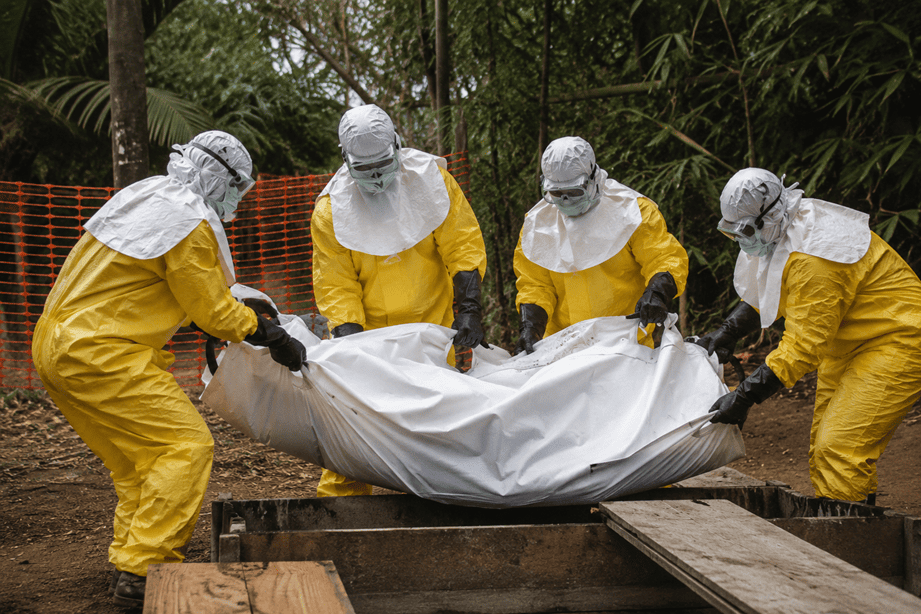
“Carry each other’s burdens, and in this way you will fulfill the law of Christ.” — Galatians 6:2 “The suffering of one people can never be treated as the problem of others alone. Our humanity is tested precisely in whether we are capable of solidarity across borders, races, and histories.” — Pope Leo XIV The Pan-African Catholic Theology and Pastoral Network expresses profound sorrow and deep concern over the rapidly escalating Ebola outbreak currently affecting the Democratic Republic of Congo and neighboring countries in East and Central Africa. We stand in prayerful solidarity with the people of the DRC, Uganda, and all vulnerable communities now facing yet another devastating public health emergency marked by fear, suffering, uncertainty, and loss of life. Reports from health authorities and international agencies indicate that the present outbreak involves the Bundibugyo species of Ebola virus, a highly dangerous strain for which there is presently no licensed vaccine or approved therapeutic treatment. More than 150 deaths have already been reported, with many more infections suspected as the outbreak continues to spread in densely populated and highly mobile regions affected by insecurity, displacement, weak health infrastructure, and humanitarian instability. The World Health Organization has declared the outbreak a Public Health Emergency of International Concern requiring urgent international coordination, scientific collaboration, and sustained global attention. This outbreak is unfolding within an already fragile context marked by armed conflict, mass displacement, poverty, inadequate sanitation systems, fragile healthcare institutions, refugee movements, and intense cross-border commercial activity. These conditions create enormous obstacles to disease surveillance, contact tracing, infection prevention and control, PPE use, safe patient referral systems, and community education. The risk of wider regional transmission remains significant if urgent and coordinated action is not sustained. Beyond statistics and epidemiological reports lies the immense human suffering of ordinary African families and communities. Poor and rural populations continue to bear the heaviest burden of infectious disease outbreaks because of longstanding structural inequities that have weakened public health systems across many parts of Africa. Women, who often serve as caregivers within homes, clinics, and communities, remain particularly vulnerable. Children, displaced persons, refugees, and populations living in remote regions face heightened risks because of limited access to healthcare services, clean water, sanitation, and timely medical intervention. PACTPAN is especially mindful of the extraordinary sacrifices being made by frontline healthcare workers and pastoral caregivers. Doctors, nurses, laboratory personnel, community health workers, chaplains, women religious, catechists, and volunteers continue to place themselves at risk in service to the sick and vulnerable. In many Ebola outbreaks, healthcare workers are disproportionately affected because of occupational exposure within hospitals and treatment facilities, shortages of personal protective equipment, weak infection prevention systems, and healthcare-associated transmission, commonly described as nosocomial infections. We commend the many faith-based organizations, churches, mosques, community leaders, and local pastoral agents already engaged in education, accompaniment of grieving families, care for survivors, community sensitization, support for safe burial, trauma healing, and collaboration with health authorities. Experience from previous Ebola outbreaks and the COVID pandemic demonstrates clearly that community engagement and trust are indispensable to effective disease containment. Public health interventions succeed only when local communities are respected, informed, and empowered as active participants in the response. PACTPAN welcomes the invitation from the World Health Organization to participate in consultations on the role of faith communities and pastoral networks in supporting prevention efforts, risk communication, treatment support, and public health education. We reaffirm our commitment to working collaboratively with local churches, faith-based organizations, public health authorities, humanitarian agencies, and international partners to address this crisis with compassion, scientific responsibility, and solidarity. At the same time, we must speak with honesty and moral clarity about the painful historical patterns that continue to accompany major disease outbreaks in Africa. Too often, the international response to epidemics affecting Africa has been shaped by fear, isolationism, and global inequity rather than by justice and genuine solidarity. We repeatedly witness situations in which foreign nationals are rapidly evacuated from affected regions while African healthcare workers and vulnerable populations remain exposed with inadequate resources and insufficient protection. We witness panic-driven travel restrictions, border closures, and flight bans that frequently lack scientific grounding and often deepen the suffering of already vulnerable communities. The lessons from the 2014 Ebola outbreak and the COVID pandemic must not be forgotten. The answer to infectious disease outbreaks is not abandonment, stigmatization, or isolation of affected populations. The most effective response is rapid containment and treatment at the source of infection through strong local health systems, equitable access to medical resources, investment in surveillance and laboratory capacity, protection of frontline workers, community education, and international scientific cooperation. Africa must not continue to remain a clinical desert where preventable deaths occur because of global neglect and structural inequality. We therefore call upon the international community, African governments, multilateral institutions, philanthropic organizations, research institutions, and faith communities to act urgently and decisively. PACTPAN specifically calls for: This must not become another forgotten African tragedy. The lives of African peoples possess equal dignity and equal worth. The global community cannot afford once again to respond only when outbreaks threaten wealthier nations or international markets. Genuine global solidarity demands more than temporary humanitarian concern after a crisis escalates. It requires long-term commitment to justice, equity, healthcare access, scientific partnership, and human dignity. As people of faith, we pray for all those who have lost loved ones, for those currently infected and receiving treatment, for healthcare workers and caregivers risking their lives daily, and for all leaders and scientists working tirelessly to contain this outbreak. May the Lord strengthen the weak, comfort grieving families, protect vulnerable communities, and grant wisdom and courage to all those responding to this deadly hemorrhagic fever. Africa must not be abandoned in its hour of suffering. This is a moment for global responsibility, moral courage, scientific cooperation, and renewed commitment to our common humanity. Sr Jane Waruguru Kimathi, Director of Programs Fr Stan Chu Ilo, STL, GMPH, PhD, Coordinating Servant Sr Jackie Nsom, MD, Public Health Consultant Sr Teresah
This Must Not Become Another Forgotten African Tragedy: PACTPAN Calls for Urgent International Solidarity in Response to Ebola Outbreak. Read More »

The Sahel at Risk: Mali’s Experience and Dangers of a Divided Sahel

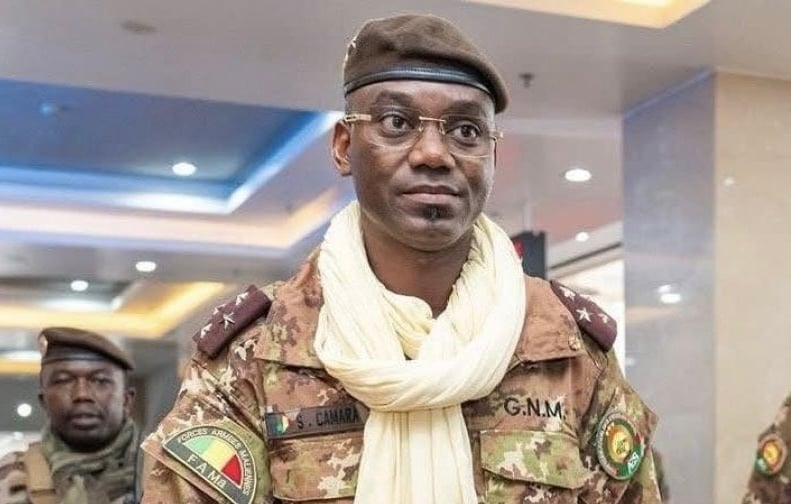
The devastating surprise attack on April 25th, which ransacked part of Mali and reportedly claimed the life of Defence Minister General Sadio Camara, has ignited profound fear over the rapidly evolving nature of terrorism in the Sahel. Previously fragmented rebel groups like Jama ‘at Nusrat al-Islam wal-Muslimin (JNIM) and the Front de Libération de Azawad – Azawad Liberation Front (FLA), once bitter rivals, have joined forces to seize territory across the region during the April 25th attack. What is most troubling is that as terrorists unite and expand their reach, the Sahel nations remain deeply divided and continue to lose ground despite the efforts of the authorities to contain the violence. “As terrorist groups coordinate across borders, the Sahelian states remain politically fragmented and militarily overstretched.” — Augustine Anwuchie A Crisis Rooted in Historical Grievances and Structural Collapse The crisis in Mali is not limited to terrorism but has its roots in historical grievances, corruption and structural collapse. The origins of the crisis date back to 2012, when Tuareg rebels allied with Jihadist groups to launch an armed rebellion for an independent state of Azawad in the Northern region. This instability prompted the 2013 French military intervention, culminating in the launch of Operation Serval, which later evolved into Operation Barkhane in 2014 and finally led to a peace agreement with the Forces of Liberation of Azawad in 2015. However, years of political corruption in Bamako and the failure of French Forces to successfully eradicate the insurgency fuelled intense anti-French sentiment and widespread domestic frustration. This political instability culminated in a 2021 military coup led by Assimi Goïta, whose nationalist junta eventually expelled French forces and, by 2024, officially abrogated the 2015 peace accord. The collapse of the peace framework contributed to an emerging ethno-political alliance between JNIM and the Front de Libération de l’Azawad (FLA), who launched coordinated attacks across parts of Bamako, Kati, Gao, Mopti and Sevare on 25th April 2026. Mali now faces a severe dual crisis, simultaneously battling the Tuareg Azawad separatists and the jihadist insurgency seeking Islamic rule. While the military government in Bamako accuses France of engineering the latest attack in an attempt to overthrow the government, an allegation France denies, the security situation on the ground remains highly volatile. Despite government claims of control, recent suspected Al-Qaeda attacks in Mopti killed 50 villagers, highlighting the extreme difficulty of combating an asymmetric enemy that has heavily infiltrated the local population. The Dangers of a Fragmented Sahel The Sahel has emerged as a global epicentre of terrorism, now accounting for 51% of all terrorism-related deaths globally. The region is ravaged by an array of insurgent groups, including the FLA, JNIM, and the Islamic State Sahel Province (ISSP/ISGS). This threat is rapidly expanding southwards into the coastal regions of Benin and Togo. At the same time, landlocked Burkina Faso faces multi-front assaults, and the Niger Republic simultaneously battles distinct terrorist factions across its western, southwestern and southeastern borders. A recent example of this volatility was on May 4th, when Boko Haram attacked a military base in the Barka Toloron region of Lake Chad, killing 23 soldiers and injuring 26 others. Compounding this crisis is the growing and dangerous pattern of collaboration among these terrorist factions, who are actively exploiting regional instability to seize control of vast territories. “The Sahel now accounts for more than half of all terrorism-related deaths globally.” — Augustine Anwuchie According to Peter Bouckaert, a senior director at Fortify Rights, the Sahel currently represents the greatest opportunity for the worldwide jihadist movement. The purely military solution to the rise of these insurgent groups, as well as operations involving heavy-handed tactics or military massacres of civilians and young men, has driven aggrieved local populations directly into the arms of jihadist movements for protection or retaliation, thereby fuelling the cycle of recruitment and violence. This vulnerability is driven by a combination of weak regional governments, a climate-related food crisis, and the security vacuum left by the withdrawal of French forces, which previously held these Islamist groups at bay. Bouckaert warns that, without urgent intervention, the region will face the severe threat of a Somalia-like state collapse, jeopardizing both regional and global security. Ultimately, the fight against terrorism is severely hampered by deep political fractures as the region is split between the newly formed Alliance of Sahel States (AES), comprising Mali, Niger and Burkina Faso, and the ECOWAS bloc. “A divided Sahel risks becoming a permanent corridor of insurgency stretching across West Africa.” — Augustine Anwuchie While a strong and united Sahel could fundamentally change the course of the war, the deep-seated distrust, dirty politics, corruption, and regional ego make this impossible. If the Sahelian governments do not put aside their divisions and unite against this expanding network of armed extremist groups, the region risks devolving into a highly fractured zone of competing terrorist factions, mirroring the long-term instability of the Middle East.

The Sahel at Risk: Mali’s Experience and Dangers of a Divided Sahel Read More »

Is the Tinubu Government Covering Up Christian Genocide in Nigeria?

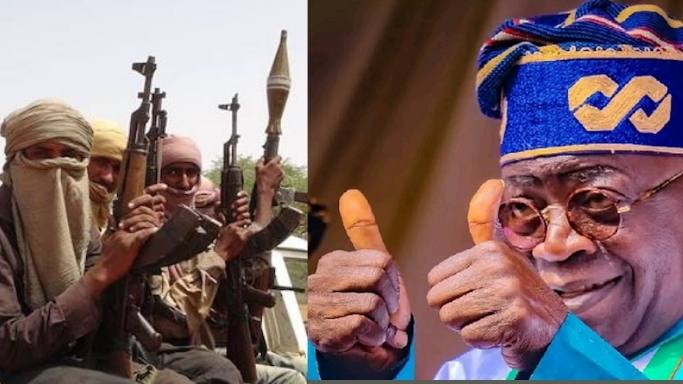
President Bola Tinubu recently hailed the killing of senior Islamic State commander Abu Bilal al -Minuki in a joint Nigerian and American military operation as evidence of his government’s “pragmatic cooperation and partnerships” in securing the lives and property of Nigerians. President Donald Trump reportedly described al-Minuki as the “most active terrorist in the world,” a troubling characterization that further underscores how Nigeria and the wider West African sub-region are now perceived by the U.S government as one of the most dangerous theaters of global terrorism. According to BBC reporting and international security assessments, the Nigerian-based branch of the Islamic State remains the most active ISIS affiliate in sub-Saharan Africa, responsible for a significant percentage of attacks across the region. Al-Minuki, whose operational fortress was reportedly located in Marte in Borno State near the Lake Chad Basin, was killed alongside several of his lieutenants in an air strike targeting his compound in the vast swampland shared by Nigeria, Chad, Niger, and Cameroon. The Lake Chad region has increasingly evolved into one of the world’s most volatile transnational insurgency corridors. “Nigeria’s crisis cannot be reduced to a single narrative of religion, ethnicity, or terrorism—it is a struggle over power, legitimacy, and state survival.” — Stan Chu Ilo Nigeria has faced Islamic insurgency, particularly since the emergence of Boko Haram in 2009, as perhaps the most organized, diffuse, and enduring threat to the Nigerian state since Independence. When Boko Haram formally pledged allegiance to the Islamic State in 2015, it established operational and ideological links with a wider constellation of extremist movements spreading across the African Sahel. These groups seek not merely territorial disruption but the creation of a new political and religious order founded upon extremist interpretations of Sharia and the establishment of a caliphate transcending national boundaries. The Islamic supremacist agenda of some of these groups is undeniable. Yet reducing the Nigerian crisis simply to Christian persecution or Islamic jihadism is analytically inadequate. The violence consuming Nigeria and much of the Sahel emerges from a far more dangerous convergence of ideological extremism, state fragility, criminal economies, ethnic conflict, climate pressures, corruption, weak governance, porous borders, and the collapse of public trust in political institutions. Indeed, President Trump, in justifying anti-insurgent military strikes reportedly carried out in cooperation with Nigerian forces, frequently accused the Nigerian government of failing to protect Christian populations, especially in Northern Nigeria. There are many within Nigeria and abroad who are convinced that Nigerian Christians are facing systematic persecution and even genocide. Some argue that the current cooperation between the Tinubu government and the United States emerged partly from mounting pressure from Washington, including the designation of Nigeria as a Country of Particular Concern on religious freedom grounds and threats of sanctions or diplomatic consequences. A recent report by International Christian Concern titled “Nigeria’s $10 Million Genocide Cover Up” alleges that the Tinubu government invested millions of dollars in lobbying efforts in Washington to cleanse its international image. According to the report, one of the central figures in this lobbying effort is Matt Mowers, a former senior adviser in the U.S. Department of State who previously worked with the Global Coalition to Defeat ISIS. The report claims that Mowers registered as a foreign agent and lobbyist shortly after Nigeria’s designation as a Country of Particular Concern and that his work sought to defend the Tinubu administration against accusations that it had failed to stop mass killings of Christians. The report further alleges that these lobbying efforts are financed through Maton Engineering Nigeria Limited, a company linked to former Niger Delta militant leader, Government Ekpemupolo, popularly known as Tompolo, whose security company received lucrative government pipeline surveillance contracts in the Niger Delta. These allegations are serious and deserve transparent public scrutiny. The International Christian Concern report advances three major claims. First, it argues that the Nigerian government seeks to repackage religiously motivated violence against Christians as mere criminality, banditry, farmer-herder clashes, or climate-induced communal conflict. According to the report, the so-called “crime-terror-nexus” language obscures the ideological motivations of extremist groups who deliberately target Christian communities in strategic regions of Northern and Middle Belt Nigeria. Second, the report argues that the Nigerian government portrays the violence as too complex and ambiguous to be classified as religious persecution. By emphasizing criminality over ideology, the report claims, the Nigerian state minimizes the role of radical Islamist movements and presents itself internationally as a secular government battling generalized insecurity rather than confronting religious extremism. Third, the report accuses the Nigerian government and its international lobbyists of carefully managing foreign visits to conflict zones in order to prevent international observers from witnessing what it calls the true scale of anti-Christian violence in Nigeria’s Middle Belt and Northern regions. The report claims that international delegations are often shielded from direct contact with victims and communities most affected by the violence. The International Christian Concern report deserves careful engagement. It is notable that foreign advocacy organizations have taken up the plight of Nigerian Christians with such intensity and visibility. However, there is also a need to interrogate both the data and the assumptions underlying some of these claims. First is the question of what constitutes genocide. The term is often invoked emotionally and politically, but genocide has a precise meaning under international law. The report does not adequately define the concept or clearly demonstrate how the Nigerian situation meets the legal thresholds established by the United Nations Genocide Convention. This does not mean that the killings are insignificant or morally less horrifying. Far from it. The murder of any innocent human being, Christian or Muslim, is an abomination before God and a tragedy for humanity. But analytical precision matters, especially when dealing with terms carrying enormous moral and legal implications. Historical memory is also important here. When one reflects on the anti-Igbo pogroms before and during the Nigerian Civil War between 1967 and 1970, difficult questions emerge about comparison, scale, intent, organization, and state complicity. Is what is happening today directly comparable to those

Is the Tinubu Government Covering Up Christian Genocide in Nigeria? Read More »

Unmasking the “Foreigner”: Xenophobia and the Crisis of the African Soul

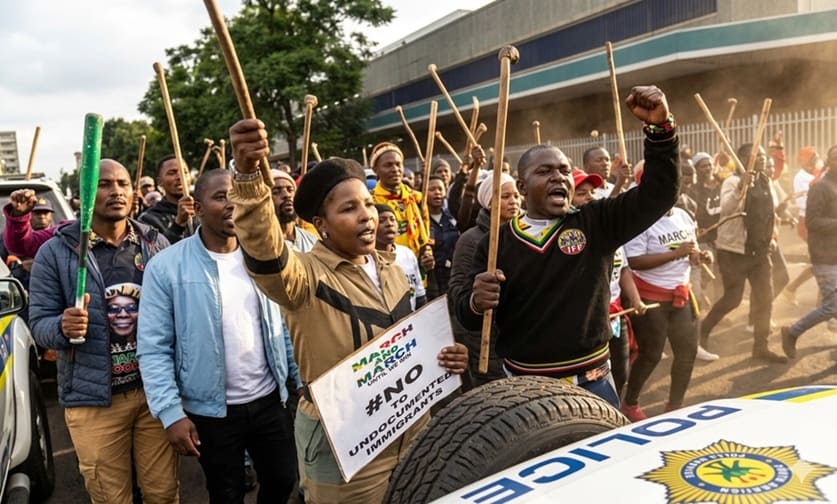
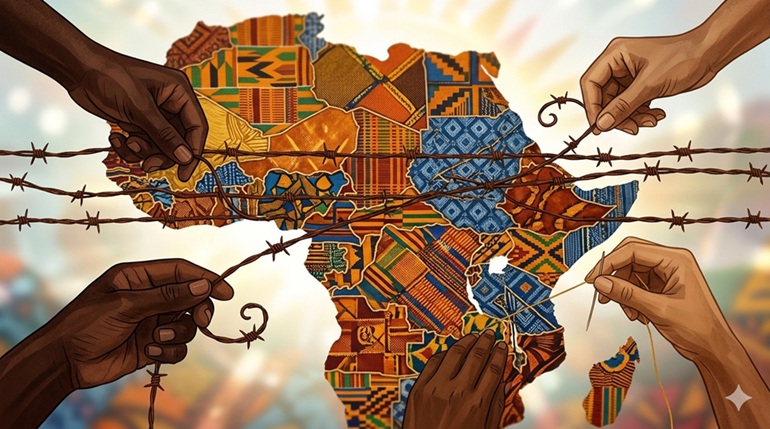
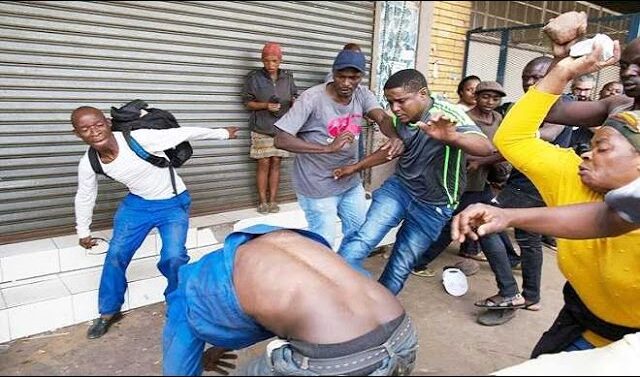
The periodic flares of xenophobia in South Africa—most notably the 2008 riots and subsequent attacks on Somali, Zimbabwean, and Nigerian nationals—are often viewed as isolated incidents of local frustration. However, these eruptions reveal a deeper fracture within the African continent. To understand the violence, we must examine the history of intra-African divisions, the artificial borders left by colonialism, and the urgent need to reclaim an African ethic of solidarity, dignity, and belonging. A Recurring Pattern of Intra-African Expulsion South Africa is not unique in its hostility toward “foreign” Africans. Post-independence Africa has repeatedly seen nations turn against their neighbors during times of economic or political stress. In 1969, Ghana’s Aliens Compliance Order led to the expulsion of hundreds of thousands of Nigerians, accused of dominating retail trade. Nigeria, facing its own economic crisis, retaliated dramatically in 1983, expelling over two million migrants, mostly Ghanaians — an event that popularized the bitter phrase “Ghana Must Go,” referring to the checkered bags carried by those fleeing the country. Equatorial Guinea and Gabon have similarly deported West Africans and Cameroonians, citing job protection and security. Even within countries, divisions persist, such as the anglophone-francophone tensions in Cameroon. The pattern is clear: when internal pressures mount, fellow Africans across the border (or across ethnic lines) become the first scapegoats. “The ‘foreigner’ in Africa today is largely a colonial hangover that the continent is still struggling to sleep off.” — Jackie Nsom, SST A Division with Deep Colonial Roots This form of institutionalized hostility was largely intensified and formalized through colonial rule and is rooted primarily in the 1884 Berlin Conference, where European powers carved up the continent with arbitrary borders that split ethnic communities and lumped rivals together. Colonial administrations introduced rigid concepts of “indigeneity” and citizenship tied to specific territories, creating the modern legal category of the “foreigner.” Colonialism replaced the African philosophy of fluid movement and shared identity with a rigid, competitive, market-based identity in which neighbours are viewed as “competitors” for scarce resources. In Africa, the stranger was often welcomed as a potential source of skills and trade, and integration followed respect for local customs and contributions to the community. Frontiers were ecological and social rather than hard political lines. “Foreignness” was temporary, not a permanent barrier. Newly independent states inherited the borders and the jurisprudence of exclusion. The attitude toward migrants shifted from pre-colonial hospitality, through colonial segregation, to post-colonial political scapegoating. The “foreigner” in Africa today is largely a colonial hangover that the continent is still struggling to sleep off. Political Entrepreneurship and the Scapegoat Strategy Contemporary politicians have further weaponized the colonial “foreigner” for short-term gain. When governments fail to deliver jobs, housing, or services, it is politically easier to blame visible outsiders than to admit systemic shortcomings. Rhetoric about ‘our people first,’ reclaiming cities, or militarized border operations often becomes political theatre designed to redirect public frustration. This marks a troubling shift away from the Pan-African vision of leaders such as Kwame Nkrumah and Julius Nyerere toward narrow micronationalism. Such rhetoric ignores the deep interdependence of African economies. Attacking a Nigerian trader in Johannesburg or a Zimbabwean worker in Limpopo undermines the regional stability on which all nations depend. “When internal pressures mount, fellow Africans become the first scapegoats.” — Jackie Nsom, SST A Christian and Moral Response Catholic Social Teaching offers a powerful framework for healing. Pope Leo XIII’s 1891 encyclical Rerum Novarum placed the dignity of the human person and the common good above narrow national interests. Later popes developed the principle of the “Universal Destination of Goods” — that the earth’s resources are intended for all humanity, not just those within a specific border. The Church affirms the right of nations to regulate borders but insists on a prior duty to welcome the stranger, especially those fleeing poverty or violence. Every person bears the “Imago Dei” — the image of God. Violence against a migrant is therefore an offence against the Creator. Pope John Paul II described xenophobia, when embedded in laws and systems, as a “structure of sin.” He reminded Africans that baptismal identity transcends national passports and that solidarity is a commitment to the good of others. In an African context, this mirrors the philosophy of ‘Ubuntu’ — “I am because we are.” Pope Benedict XVI warned that globalization without ethics turns neighbors into strangers and called on governments to protect the right of others to flourish. For South Africa, this means moving beyond “tolerance” to “integration.” Pope Francis’ 2020 encyclical, Fratelli Tutti, directly confronts the “culture of walls” and criticizes the populist rhetoric that uses fear of the “other” to gain political power. “Africa cannot reclaim its soul while Africans continue to fear and reject one another.” — Jackie Nsom, SST The Way Forward: Spiritual Reparation and Practical Change Overcoming xenophobia demands both policy reform and a conversion of heart. It also demands more than border control or political speeches. Governments must confront the structural realities of poverty, unemployment, corruption, and exclusion that fuel resentment. African leaders must also reject colonial definitions of belonging, recover a more authentic Pan-Africanism, shift political discourse from competition to complementarity, and ensure regional accountability by speaking out against xenophobia. Churches, schools, and civic institutions have a responsibility to form consciences capable of seeing migrants not as threats to fear, but as neighbours to welcome.

Unmasking the “Foreigner”: Xenophobia and the Crisis of the African Soul Read More »

Celebrating One Year of Pope Leo’s Transformation of the Church: Lessons for Africa

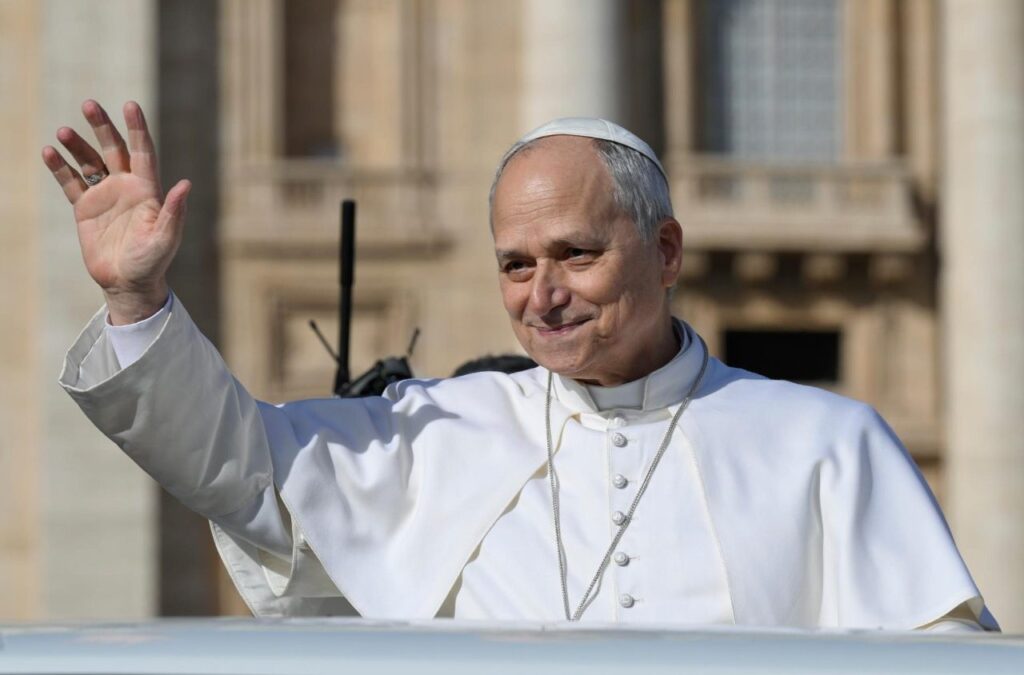
In the first year of his pontificate, Pope Leo is quietly transforming the Church through a transformation of the papacy itself. His recent Apostolic Visit to Africa offered him the stage to bring together, in an illuminating and effective way, the priorities of his papacy. The practical manifesto of the Leonine papacy as a courageous pursuit of peace, healing for a divided world and a divided Church, reverence for the Church’s traditions, and love for those at the existential peripheries of life was on full display during his trip to Africa. Africa became the stage upon which Pope Leo revealed his understanding of the papacy’s role today and his effective use of the papal pulpit for proclaiming a prophetic theology: a battle cry for the recovery of a moral vision and a social ethic of care, recognition, reconciliation, and community; a spiritual proclamation in a fractured world yearning for moral clarity, justice, solidarity, and hope. His African visit presents five defining messages that together form a coherent vision of Pope Leo’s leadership style, pastoral agenda, and clear articulation and embodiment of the global mission of the Church amid the complexities of our time. The Five Messages from Africa: A Practical Manifesto Pope Leo, in his reflection during the first General Audience after his visit to Africa, spoke first of listening to Africa. He noted that his visit helped to make “the voices of Africa heard,” even as the continent offered him “an inestimable treasure” for his heart and ministry. This mutual exchange reflects his agenda for a synodal Church that listens before it speaks, a Church that receives before it gives. It points to his determination to expand the spaces for dialogue and encounter in the Catholic Church for all people, and to place Africa at the center of his papacy, rather than at the peripheries where it is often confined in global politics and ecclesial imagination. In this, one hears a direct echo of Gaudium et Spes, which calls the Church to read the signs of the times not from above history, but from within it, attentive to the joys and sorrows of the people of God, especially the poor and the forgotten. Pope Leo signals, in his first major teaching, Dilexi Te, that the plight of the poor should be at the center of the Church’s mission. He warns against revictimizing the poor by blaming them for their own misfortune and suffering and instead insists that society must confront the structural causes of poverty. For him, the beginning of justice is listening to people experiencing poverty and walking with them in solidarity, recognizing their agency rather than dismissing them as burdens. Second, the Pope’s journey to Africa was marked by an unmistakable commitment to peace in a fractured world. This has been his signature papal message. Vatican News reports that, in the first year of his papacy, Leo has used the word ‘peace’ more than 400 times in his speeches. He described his visit to Africa as a proclamation “of peace at a time in history marked by wars and serious and frequent violations of international law.” In Africa, as in many parts of the world, violence has become commonplace and relates not only to war, conflicts, and civil strife, but also to structural, economic, and political violence. “Pope Leo’s insistence on peace situates his papacy within the Church’s mission of proclaiming the peace of the Lord Jesus Christ to all men and women of goodwill, as well as within a broader call to renew international co-operation and global solidarity at a time when both are under severe strain.?” — Stan Chu Ilo Third, Pope Leo highlighted what he called the joyful faith and resilient hope of African peoples. Even amid hardship, he encountered communities whose faith is not diminished by suffering but deepened through it. But he notes in both Angola and Equatorial Guinea that this faith should not be manipulative through superstitious beliefs and other forms of religious enchantment. On the contrary, faith in the Lord, embracing the Gospel message, and entry into the Church should be a resource for healing, liberating people, and promoting human flourishing. Everywhere he went during his pilgrimage, he affirmed the dignity, resilience, joy, and hope of Africans. In his vision, people experiencing poverty are not objects of compassion, nor should they be condemned and abandoned as the authors of their own misfortune. They are subjects of history. For a world increasingly marked by despair, Africa becomes not a problem to be solved but a witness to be received and a treasure to be harvested for the good of its peoples. “Faith, for Pope Leo, is a principle of joy, but that joy must be grounded in both a person’s encounter with the Lord in the intimacy of the heart and the experience of abundant life in just communities ordered by love and actively promoting the common good for all. ” — Stan Chu Ilo Fourth, the Pope spoke candidly of Africa as a land “thirsting and hungry for justice and peace.” Yet he was equally clear that these cannot be realized without concrete political and economic reform and transformation. Love, in his vision, must become a force for social restoration. Here, his Augustinian roots are evident, as in Augustine, God is closer to the human person than we are to ourselves. Thus, social or ecclesial transformation must begin with the inner transformation of the heart from all forms of idolatry and power to dominate, and from an exaggerated love of the self to the forgetfulness of God and others. The same is also true of peace. Peace must be unarmed and begins with disarming the heart and our words because peace proceeds from “an interior movement” and then flows outward. Pope Leo called for good governance and a collective commitment to “promoting integral and sustainable development,” while urging the global community to counter “the various forms of neo-colonialism with far-sighted international cooperation.” He moves beyond vague appeals and names

Celebrating One Year of Pope Leo’s Transformation of the Church: Lessons for Africa Read More »

Why Psychosexual Integration is no Longer Optional in Formation

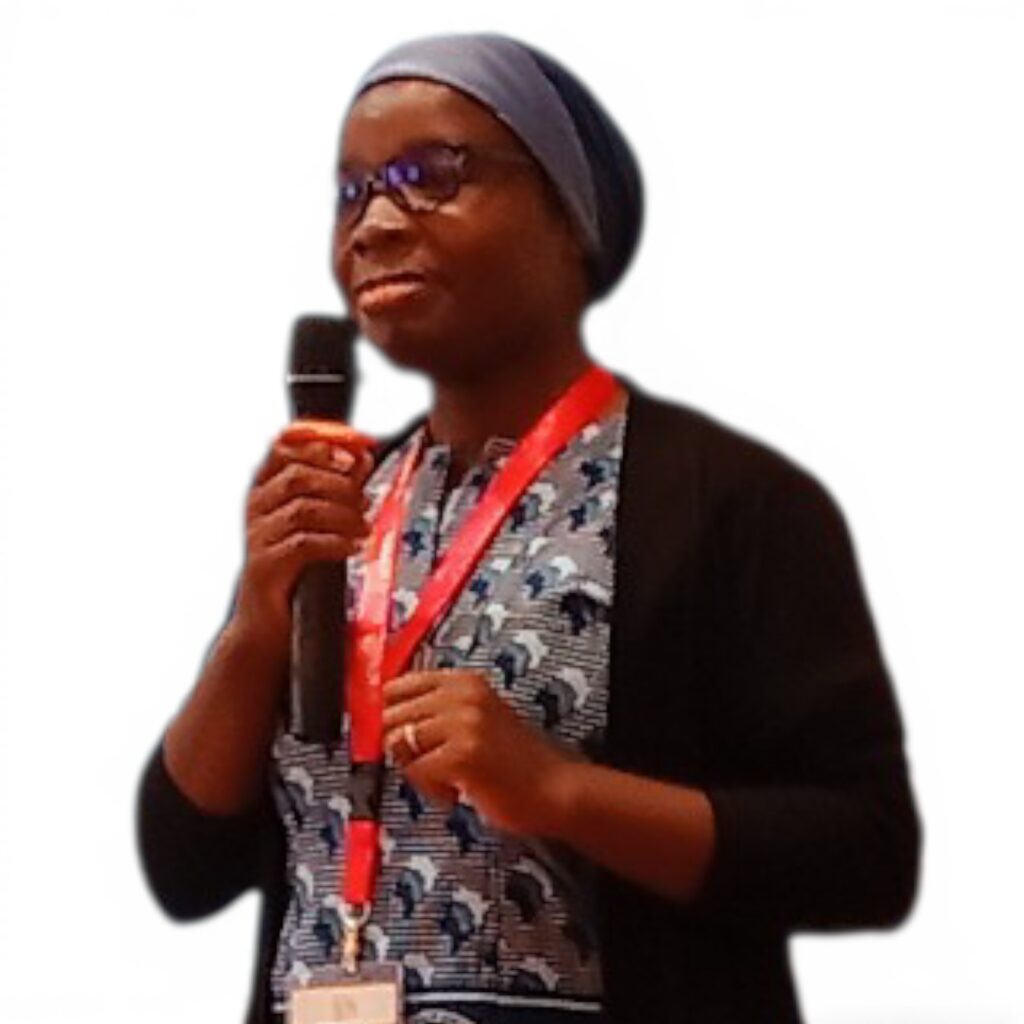
In an era marked by histories of abuse and secrecy that afflict the Church, a religious sister bears an ethical obligation to disclose the truth regarding humanity. For an extended period, the notion of the \”spiritual self\” has served as a veneer concealing a fragmented \”human self,\” thereby fostering an environment in which repression is erroneously equated with holiness. Nevertheless, as the Church in Africa confronts a modern era that demands transparency and safeguarding, traditional approaches to religious training are under scrutiny. In a recent webinar hosted by the Pan-African Catholic Theology and Pastoral Network (PACTPAN), in collaboration with the Association of Religious Formators of Kenya (ARFK), Sister Linah Siabana, MSOLA, a Zambian psychologist and Missionary Sister of Our Lady of Africa currently serving on the front lines in Northern Uganda, presented a compelling challenge to the prevailing status quo. She contended that psychosexual integration is no longer a matter of luxury but a fundamental necessity for the sustainability and integrity of ministerial responsibilities. It is no longer appropriate to require our candidates to forsake their human qualities upon entry. Vows do not negate our biological nature; rather, they necessitate a more profound integration of it, she stated. “Vows do not negate our biological nature; they demand a deeper integration of it.” — Helen Kasaka Moving beyond the spiritual bypass Sr. Siabana challenged the long-standing practice of \”spiritual bypassing,\” wherein candidates are encouraged to address profound emotional or sexual difficulties exclusively through extended periods of prayer within the chapel. While acknowledging the significance of prayer as a foundational element, she emphasized to the audience that blood circulates through our veins irrespective of our vows. She distinguished clearly between celibacy and repression, highlighting that celibacy should be characterized by intentionality and regarded as a conscious expression of love, rather than a fearful suppression of one’s true self. The participants\’ interventions highlighted the tension between traditional piety and psychological reality. When asked how to handle sexual drive, Sr. Siabana was refreshingly direct, stating that we must move toward \”emotional literacy.\” This involves teaching candidates to name their loneliness, attraction, and frustration without the paralyzing grip of shame. She emphasized that sexuality is a God-given energy for love and service; when it is ignored, it becomes a shadow that manifests as addictions, secret lives, or boundary violations. “Silence in the name of purity is a breeding ground for abuse.” — Helen Kasaka Confronting trauma and the misuse of authority A crucial aspect often neglected in traditional formation is the recognition of past trauma. Sr. Siabana pointed out that many candidates who join religious life carry unresolved wounds or histories of abuse. Failure to reconcile these fragmented aspects of identity may lead to their reemergence via the misuse of authority—where ministry is exploited to fulfill unmet emotional needs. Furthermore, it is important to note that \”Silence in the name of purity is a breeding ground for abuse. When we refuse to name the reality of our bodies, we leave the vulnerable defenceless.\” The dialogue became particularly pointed when addressing the cultural taboos that treat sexuality as a \”sacred silence.\” In many African contexts, silence is equated with purity, but Sr. Siabana argued that this silence is a breeding ground for abuse. She cited a heartbreaking case where a sister’s report of inappropriate touching was dismissed by a superior as \”provocation.\” To counter this, she called for robust safeguarding frameworks in which reporting mechanisms are transparent, and whistleblowers are protected, insisting that we must value the truth over institutional optics if we are to heal. A mandate for professionalized formation The pathway ahead requires a radical shift in how we form our brothers and sisters. In collaboration with organizations such as the ARFK, PACTPAN aims to help formators become not mere disciplinarians but mentors proficient in fundamental human development skills. This approach includes structured workshops employing role-plays to address real-world boundary situations, such as managing attraction to a colleague or navigating power dynamics with senior authority figures. It also requires a commitment to professional referrals, recognizing when a candidate needs a psychologist rather than a confessor. Furthermore, the ministry must ensure authentic accompaniment, in which one-on-one direction is a safe space, free from conflicts of interest that arise when formators act as both judges and guides. \”The goal of formation is not to produce \’perfect\’ people, but to foster honest, self-aware persons who live their vocations with integrity,\” she said. “The goal of formation is not to produce ‘perfect’ people, but to form honest, self-aware persons who live their vocation with integrity.” — Helen Kasaka Our lifelong journey of integrity Psychosexual integration is not simply a goal achieved at the time of final vows; rather, it constitutes an ongoing journey towards becoming \”authentically growing and self-aware individuals.\” For the Missionary Sisters of Our Lady of Africa and the broader Church, the message is clear: we can no longer expect our trainees to set aside their humanity. By cultivating a formation environment that is both psychologically informed and spiritually profound, we help our religious live out their vocations with joy and authenticity. Following a challenging past, the silence is ultimately being broken, paving the way for a more honest, human, and sacred Church to emerge.

Why Psychosexual Integration is no Longer Optional in Formation Read More »

Which Way Nigerian Catholics? Can the Church Lead a Nation in Crisis?

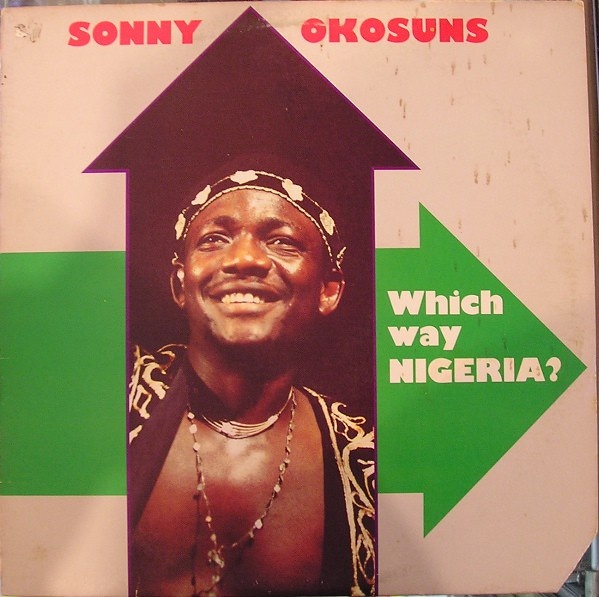
At one of the lowest moments in Nigeria’s history in 1984, when the country faced political instability, economic hardship, and corruption under an oppressive military government, the famed Nigerian musician, Sonny Okosun, sang that iconic protest song, “Which way Nigeria?” asking us Nigerians to reflect on which way Nigeria is heading. Today, that question has become more pressing because the condition of life has become more depressing for the masses of our people. And for me, the Catholic Church in Nigeria is one institution that can help effect an urgent course correction for Nigeria. However, it must also answer the fundamental question: which way for Nigerian Catholics? In other words, are we as a Church capable of leading the country in a different direction, or are we unthinkingly following this precipitous path with the rest of the country into the valley of darkness? Is the Catholic Church in Nigeria led by Catholic doctrine, by Catholic Social Teaching, by Catholic liturgical tradition, by the Catholic intellectual tradition, and by her time-tested principles on the relationship between the Church and the state? Or are Nigerian Catholics heedlessly following the dysfunctional values of a blind and selfish political class, whose extractive appetite has stripped the nation of its material and natural resources, impoverished our citizens, and nailed God’s people to a permanent cross of pain and misery? “And for me, the Catholic Church in Nigeria is one institution that can help effect an urgent course correction for Nigeria. However, it must also answer the fundamental question: which way for Nigerian Catholics?” — Stan Chu Ilo Many Nigerians are watching helplessly as an irresponsible and insensitive political class ravages their beautiful nation. Most Nigerians have disengaged from the political process, and others have sought refuge in different forms of religiosity and religious enchantment as a coping strategy, hoping in God, who, they believe, cannot fail them when everything around them shows signs of instability and decay. Other Nigerians put their hope in a sudden emergence of a saviour, perhaps Peter Obi or any other putative messiah, to rewrite our broken history and heal our wounded land. Yet others, surprisingly, put their hope in external agents, such as Trump, for redemption and liberation. Wherever anyone stands as a Nigerian citizen today, the reality that faces us is shocking and worrisome: how do we unmake the current Nigerian state; how do we radically reform our institutions; how do we cleanse our polluting ethical and social norms, and develop the virtues and practices of an inclusive state that is governed by civic and ethical culture that are transformative and generative of life and social transformation for everyone. The current state of Nigeria continues to shock the conscience as to how a greatly blessed nation with the most extraordinarily gifted citizens can be so poor, so unsafe, and so hopeless because a few thin top layers of religious and political elites have held the country in an internal perpetual bondage for decades now. Nigeria today stands as a troubling paradox of immense potential weighed down by deep structural crises that touch nearly every dimension of our national life. With an unemployment rate hovering around 22.6% and inflation exceeding 30% in recent years, millions of our people are pushed into precarity, reflected in the reality that roughly one-third of the population survives on less than $2.15 a day. This unacceptable manufactured economic fragility is compounded by systemic corruption and patron-client relations between those in power and Nigerian citizens, through an unethical governance structure that has become a transactional cesspool of impunity operated by rogues dressed in agbada, whose extractive leadership is all about the politics of the stomach;emi lókàn—(it is my turn to chop the national cake). According to Transparency International, Nigeria scores just 26 out of 100, ranking about 140th out of 180 countries, a stark indicator of weak institutions and compromised governance. “How do we unmake the current Nigerian state; how do we radically reform our institutions; how do we cleanse our polluting ethical and social norms and develop the virtues and practices of an inclusive state that is governed by civic and ethical culture that are transformative and generative of life and social transformation for everyone.” — Stan Chu Ilo  Insecurity has further eroded public confidence and daily life; the U.S. Department of State maintains a Level 3 travel advisory for Nigeria, with several regions designated “Do Not Travel” due to terrorism, kidnapping, and armed violence, conditions that have normalized fear as part of everyday existence and weakened national and international trade and movements of peoples severely hampering productivity, social innovation, and social connectivity for business and collaborative partnerships. At the same time, Nigeria hemorrhages its most vital resource: more than 100,000 barrels of oil are stolen daily, translating into billions in annual losses in a sector that should anchor national prosperity. Even in moments of global opportunity, such as price spikes linked to conflicts in the Gulf, Nigeria struggles to benefit meaningfully because production shortfalls, subsidy burdens, and theft by conscienceless gatekeepers of our oil wealth offset potential gains. This is not new but part of a troubling continuity. The $12.4 billion Gulf War windfall of 1990, effectively embezzled under the Ibrahim Babangida regime, set a pattern of opaque management of extraordinary oil revenues. The Okigbo Panel noted that this sum alone could have provided water, electricity, and nationwide road and rail links, yet no one was held accountable. Today, a similar dynamic persists: windfall gains from global price shocks remain insufficiently accounted for, while leakages through theft and mismanagement continue, even as Nigeria accumulates rising debt at both federal and state levels despite vast oil earnings. “Nigeria hemorrhages its most vital resource: more than 100,000 barrels of oil are stolen daily, translating into billions in annual losses… Nigeria struggles to benefit meaningfully… ” — Stan Chu Ilo The human cost of this systemic dysfunction is stark. Life expectancy remains low at about 54 to 55 years. In contrast, the disease burden—measured in DALYs—remains

Which Way Nigerian Catholics? Can the Church Lead a Nation in Crisis? Read More »

South Africa: Xenophobic attacks and the dwindling fortune of Pan-Africanism

The resurgence is stark; its echoes cast a long shadow over Africa’s rising indices of conflict, violence, and division. In the recent spate of xenophobic attacks, a growing number of young South Africans are sending a clear message: migrants—predominantly from neighboring African nations—are not welcome. Critics accuse foreigners of displacing local labor, escalating crime rates, and, in many instances, residing in the country illegally. These voices are more than mere statements; they reveal a deep-seated perception of African migrants as convenient mirrors reflecting the country’s internal socio-economic failures. What began as a digital war of words has spiraled into physical violence, targeted assaults, and the tragic loss of life. Disturbing footage shows groups storming hospitals and schools in search of foreigners, looting shops, and demanding that migrants leave the country immediately. Scores have been killed, and many more left homeless over the past few weeks. President Cyril Ramaphosa has condemned the attacks, insisting that South Africans must choose the rule of law over mob violence while vowing to hold perpetrators accountable. More than scapegoating foreigners: A crisis rooted in structural failures There are legitimate concerns among young South Africans regarding the strain on public resources, rising crime, and collapsing infrastructure—evidenced by overcrowded classrooms and clinics, poor regulation, and the prevalence of drug and human trafficking. However, beneath these grievances lies a more profound structural reality. While xenophobia in South Africa is rooted in a complex weave of historical, economic, and political factors, the primary driver remains economic frustration among the poor, exacerbated by extreme inequality and governance failures. South Africa remains gripped by profound economic inequality, most visibly manifested in staggering rates of youth unemployment. The unfulfilled promises of the post-apartheid era, contrasted with the perceived success of migrant-owned small businesses—often operating at lower costs and within strong networks—have fueled a volatile mixture of resentment and frustration. Political actors and influencers often exploit the situation, either by fueling inflammatory rhetoric or remaining silent when firm condemnation is required. Patterns of xenophobia in South Africa also reflect unresolved questions of social identity and “othering,” reinforcing a strong “us versus them” mindset that casts migrants as outsiders—even though they are fellow Africans. South African youth are often labeled as entitled, lazy, or unskilled, but many reject this characterization, arguing that they are being blamed for a crisis they did not create. Theoretical analysis unveiling the deeper forces at play This hostility toward foreigners has crystallized into socio-psychological patterns that align with \”structural functionalism\” and \”realist conflict theory.\” From a structural functionalist perspective, South Africa’s social system is under significant strain. When institutions fail to provide stability, the social organism reacts with dysfunction. Rather than addressing the structural roots of the crisis, the most vulnerable members of society—migrants—are scapegoated for broader systemic failures. Xenophobic patterns can also be interpreted through the lens of realist conflict theory, which posits that competition over scarce resources leads to prejudice, discrimination, and hostility. In many ways, xenophobia is a rebranded form of apartheid. While the legal framework of apartheid was dismantled, its shadows continue to loom over modern social identities and divisions. Nationalism vs Pan-Africanism The current wave of violence leaves South Africa caught between narrow nationalist expressions and upholding the sacred tenets of Pan-Africanism. During the struggle against apartheid, South Africa relied heavily on the collective goodwill and solidarity of Pan-African allies. Nigeria gave heavy financial aid, moral and political support to black South Africans anti-apartheid struggle, while revolutionary icons such as Oliver Tambo and Chris Hani were famously welcomed and shielded during their exile in Zambia and other African nations. While the South African government must address the grievances of protesters, the core factors driving tension are structural and extend far beyond the presence of migrants. As wave of anti-immigration protests erupts across the globe, the voice of Pope Leo speaks to us in strong note, insisting that migrants should be treated with dignity and humanity. The crisis unfolding in South Africa serves as a wake-up call not only for the country itself but for all African leaders regarding the urgency of nation-building and true economic independence. It also calls on leaders to promote tolerance, unity, and solidarity across the continent, particularly at a time when global attention is focused on Africa’s internal divisions.

South Africa: Xenophobic attacks and the dwindling fortune of Pan-Africanism Read More »

PNFPB Install PWA using share icon

For IOS and IPAD browsers, Install PWA using add to home screen in ios safari browser or add to dock option in macos safari browser